Navigation
Investigations
Features
Blog
Events & Training
NIMJN Talk
Training/Workshops
Journathon
Newsletter
About
Our Team
Fellows
Interns
Past Interns
Our Network
Publishing Partner
Past Fellows
Newsletter
FAQs
En
/
Np
En
/
Np
Investigations
Features
Blog
Events & Training
NIMJN Talk
Training/Workshops
Journathon
Newsletter
About
Our Team
Fellows
Interns
Past Interns
Our Network
Publishing Partner
Past Fellows
Newsletter
FAQs
Investigations
A Year After Nepal's Uprising, Self-Immolations Test the State's Promise of Change
Five people set themselves on fire in Nepal in July. Some are now reading the deaths as political in a country whose citizens are asking whether, one year after its Gen Z revolution, anything has changed.
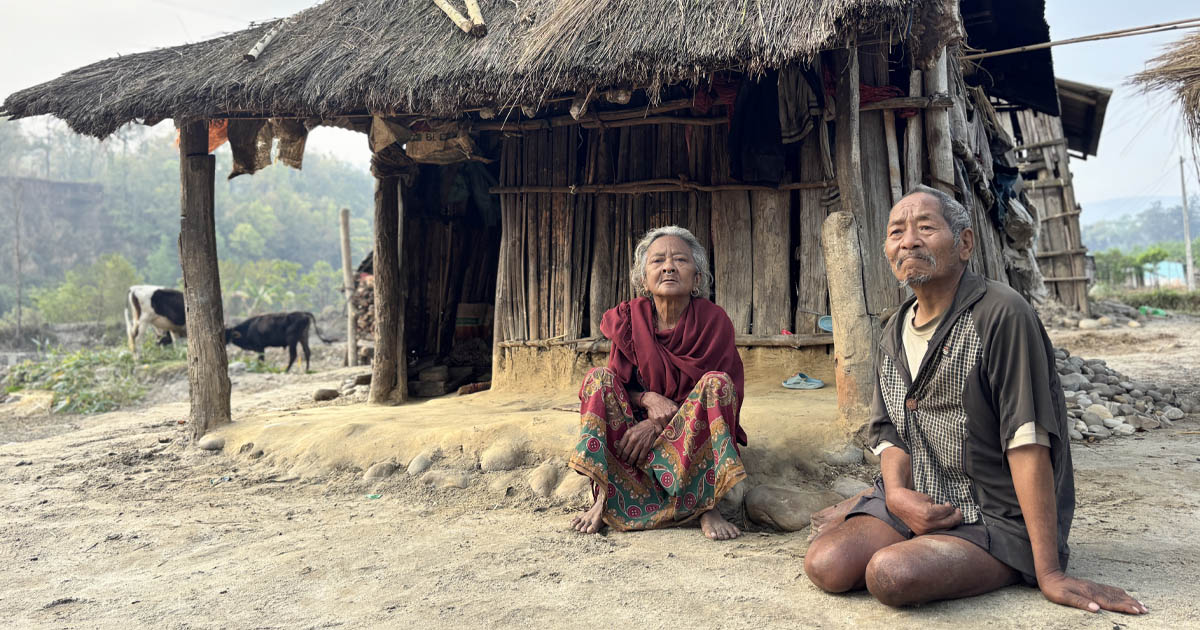
Displaced by Disaster, Madi’s Chepangs Face Violence and Human Trafficking
Marginalized communities who were repeatedly displaced by floods and landslides and settled in Madi, Chitwan, remain unsafe even in their current location. Living in extreme poverty, they are also at high risk of gender-based violence, labor exploitation and human trafficking.
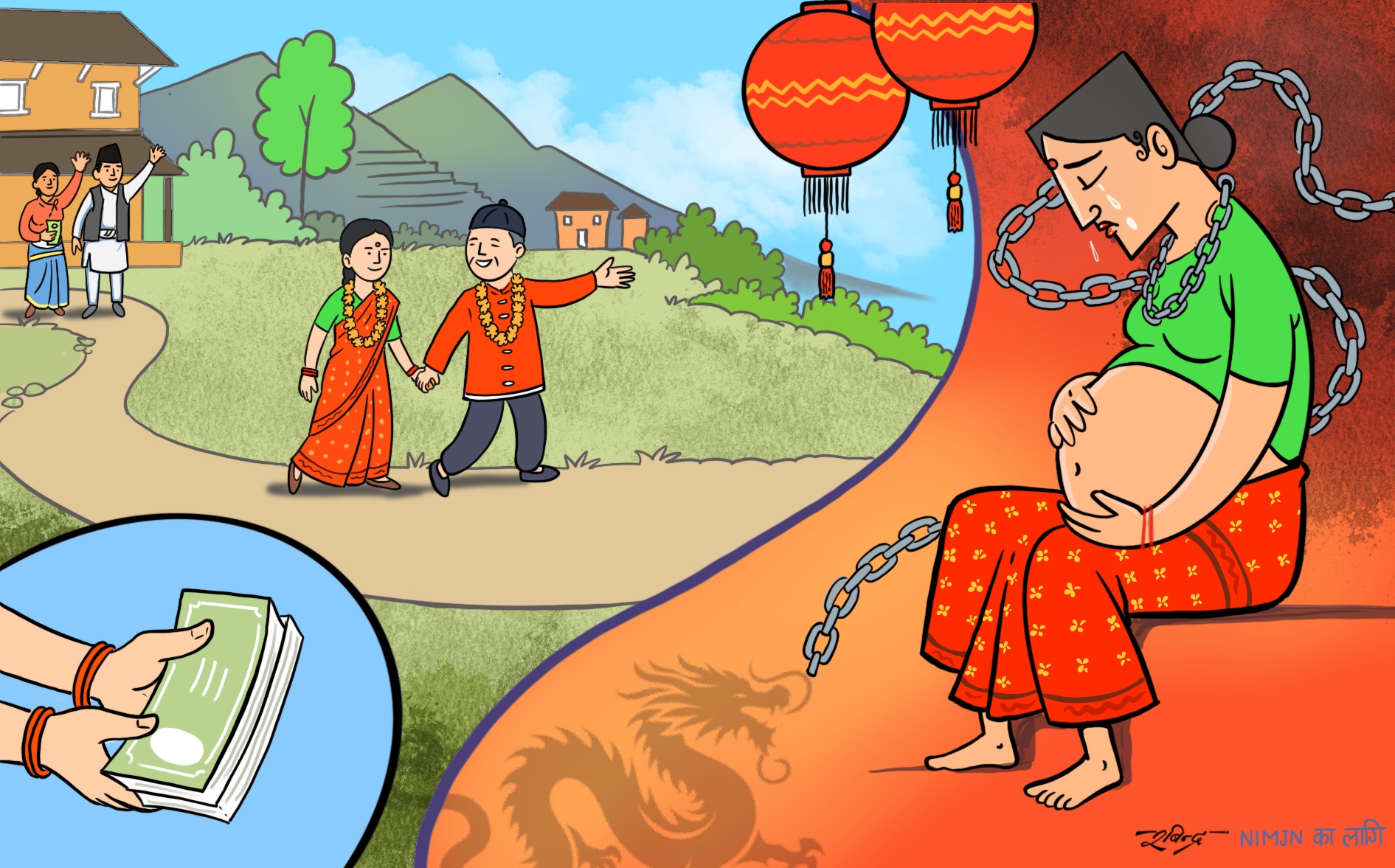
Married for Children, Then Beaten: The Nepali Women Sold to Chinese Husbands
Sasmita experience confirms that Chinese men marry Nepali young women solely to have offspring, subjecting them to violence once the children are raised. China’s one-child policy severely distorted its gender ratio. Unable to find brides in time, men pass marriageable age and ultimately marry foreign women just to have children.
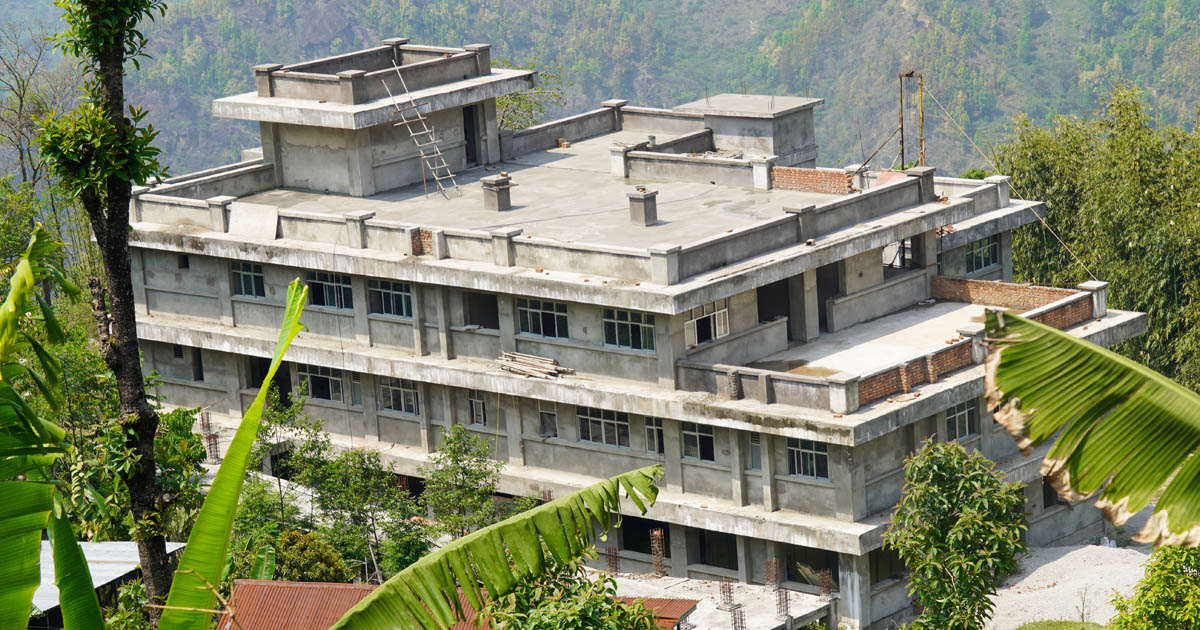
A Two-Year Promise, a Five-Year Wait: Nepal's Basic Hospitals Still Incomplete
To provide healthcare facilities in rural areas, the government in 2020 announced the construction of 657 basic hospitals. Although the buildings were supposed to be completed within two years, most remain incomplete even after five-and-a-half years, while construction has not even started on some. Even among the buildings that have been constructed, services are not running smoothly.
International Network Smuggles Nepali Art, Idols as Nepal's Investigation Falls Short
Investigations by international law enforcement agencies have established that Subhash Kapoor, an American art dealer of Indian origin, and his syndicate were involved in the theft and trafficking of antiquities and idols of archaeological importance from Nepal. However, Nepal’s own investigation into Kapoor, his network, and the thefts he orchestrated remains remarkably weak.
HIV Is Alive on India and Nepal's Highways. Truck Drivers and Transgender Sex Workers Know It Best
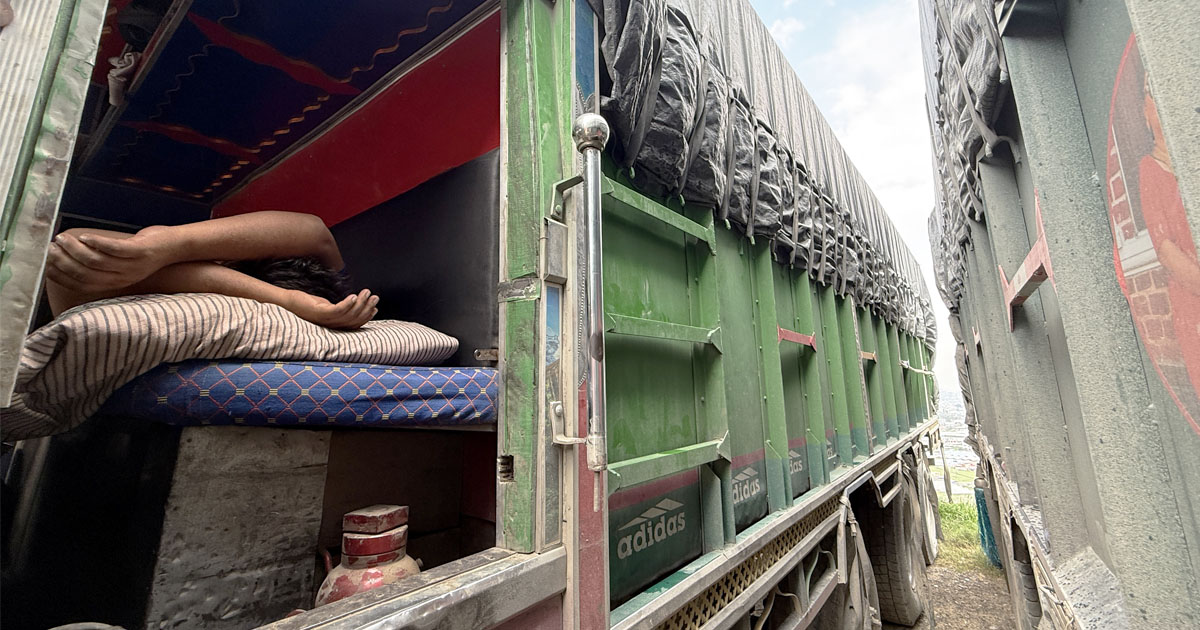
HIV spreads along Nepal-India trucking routes where long-haul drivers and transgender sex workers intersect and where treatment gaps and social stigma make both groups especially hard to reach.
12,000 Vehicles Destroyed: The Environmental Cost of Nepal’s Gen-Z Movement
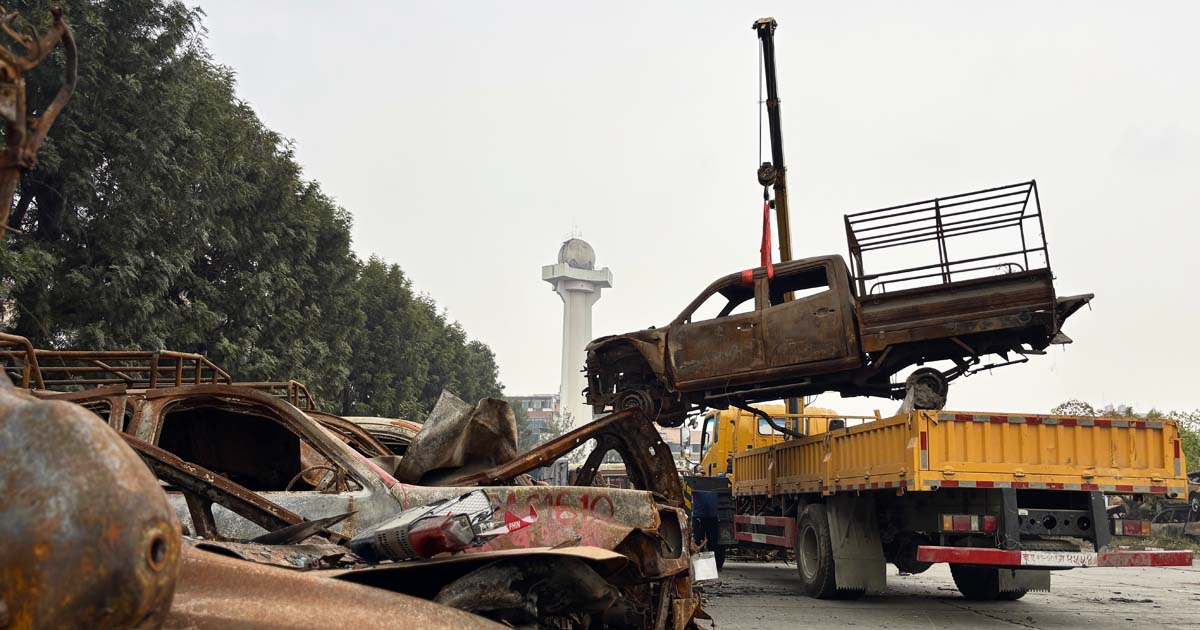
More than 12,000 vehicles were burned nationwide during the Gen-Z movement, which claimed 76 lives, with 6,800 of those vehicles burned in Bagmati Province alone. The smoke and toxic chemicals released from these fires caused an increase in hospital patients with respiratory, eye and skin problems. Furthermore, the remains of these vehicles have not been managed in a timely manner, creating a risk that chemicals and ash will cause long-term severe impacts on health and the environment.
A Human Trafficker Walks Free as Families Mourn Migrants Lost at Sea
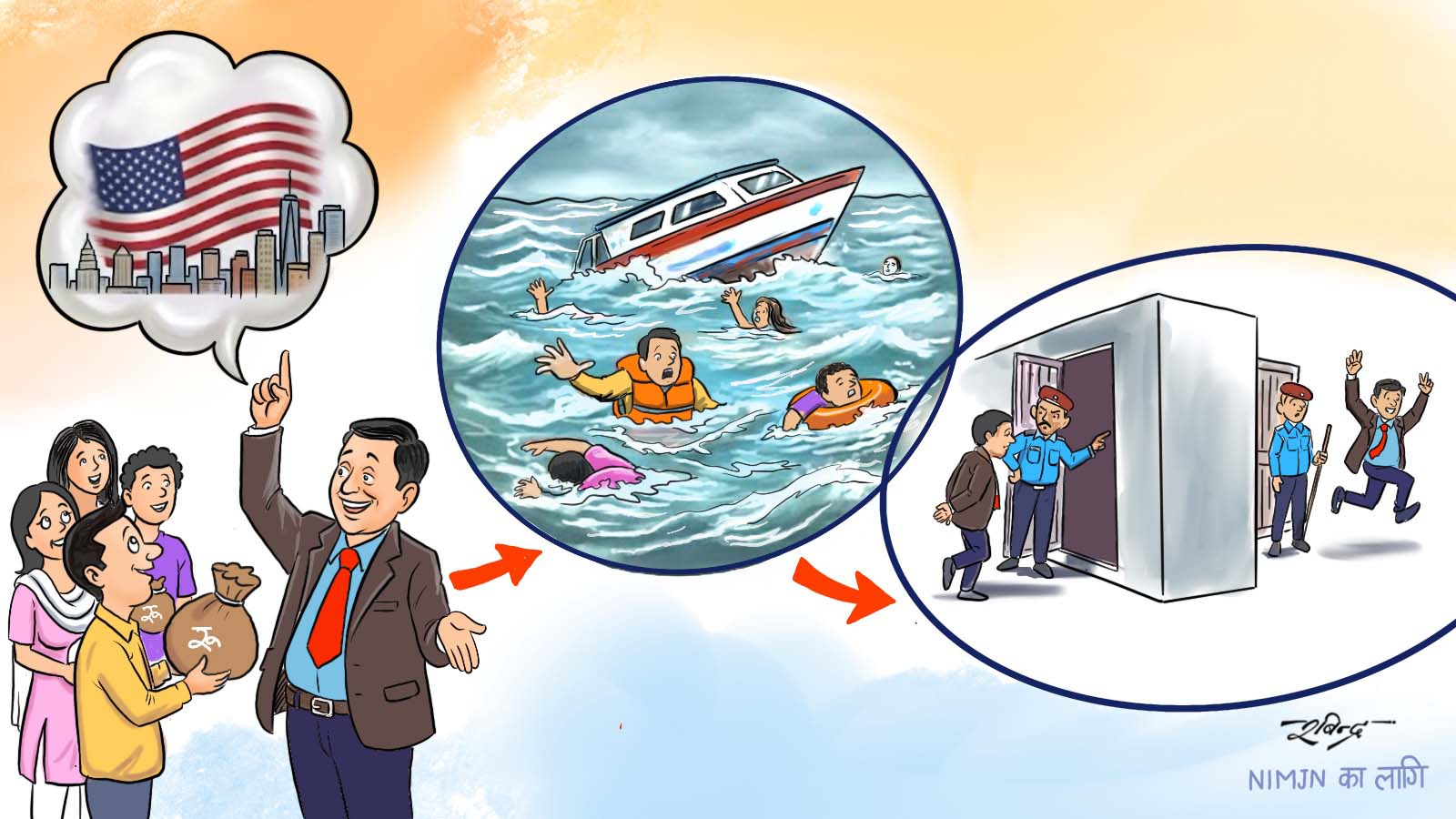
The fate of seven Nepali youths who went missing in a boat accident in the Caribbean Sea nearly five years ago while traveling illegally to America (United States) remains unknown. Since no agency conducted a search, the families have even performed final rites by creating effigies out of kush (halfa grass).
Petroleum Products Used to Burn Parliament, Supreme Court and Singha Durbar
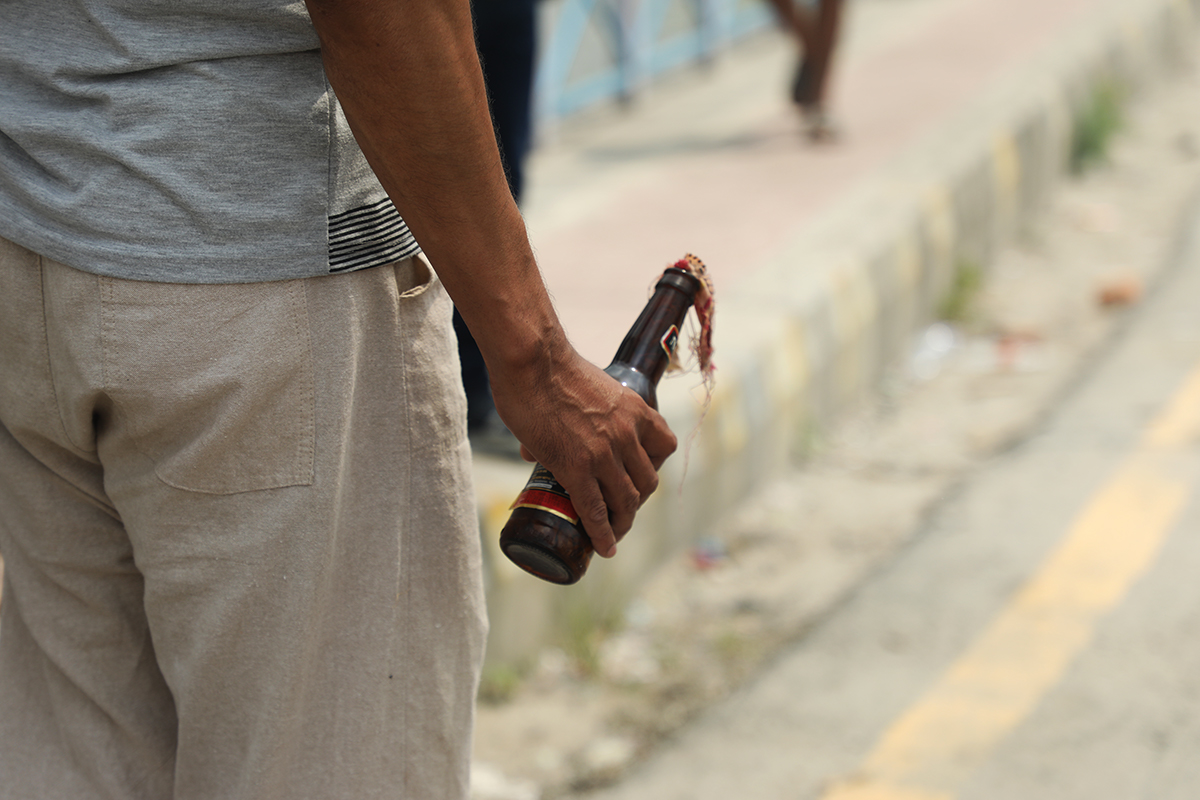
International concern has emerged regarding the substances used to set fire to the Parliament Building, Supreme Court, Singha Durbar and the President's Office during the Gen-Z protests on September 8 and 9 last year. An investigation by the Nepal Investigative Multimedia Journalism Network (NIMJN) has revealed that petroleum products were used to ignite these structures.
NIMJN Investigation Reveals: Political Parties Systematically Flout Donation Disclosure Laws
The Nepal Investigative Multimedia Journalism Network (NIMJN) revealed last August that political parties had evaded taxes and disclosed statements of income and expenditure that were lower than the actual figures.
Panchkund Glacial Lake in Nepal's Annapurna Region Expanding Rapidly
A glacial lake that has formed at the North Annapurna Base Camp and the changes observed in it demonstrate the geographical and environmental shifts taking place in Nepal's Himalayan regions due to climate change.
Ghyangphedi-Kolkata Connection: Sisters Lost from a Village Found in the Same Brothel
Rimaya is not the only one trafficked from Nepal to India for the purpose of sexual exploitation. According to the Human Trafficking Investigation Bureau, a total of 149 women and 20 girls and adolescents from Nuwakot were rescued from India during the five-year period from the fiscal year 2075/076 to 2081/082 (mid-2018 to mid-2025).
Weak State Oversight of Pesticides Exposed
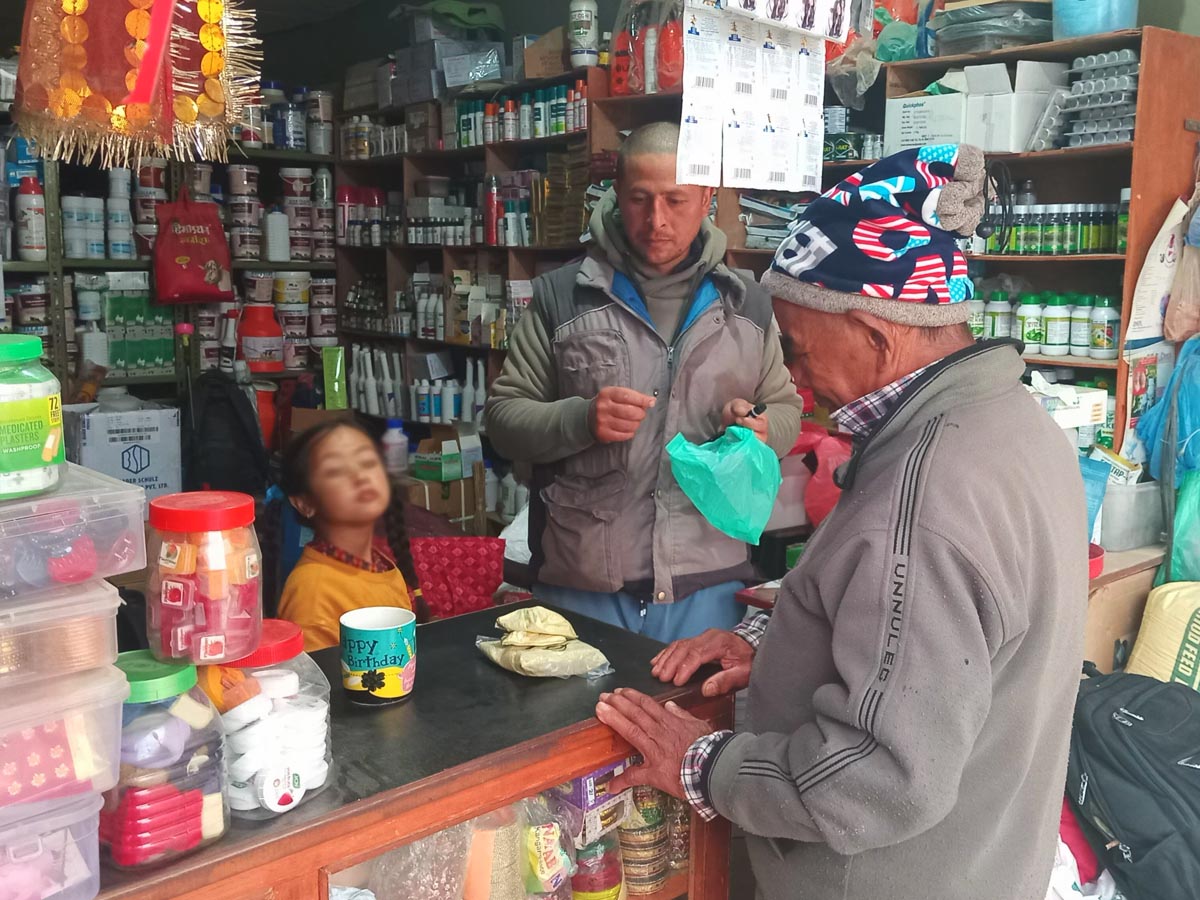
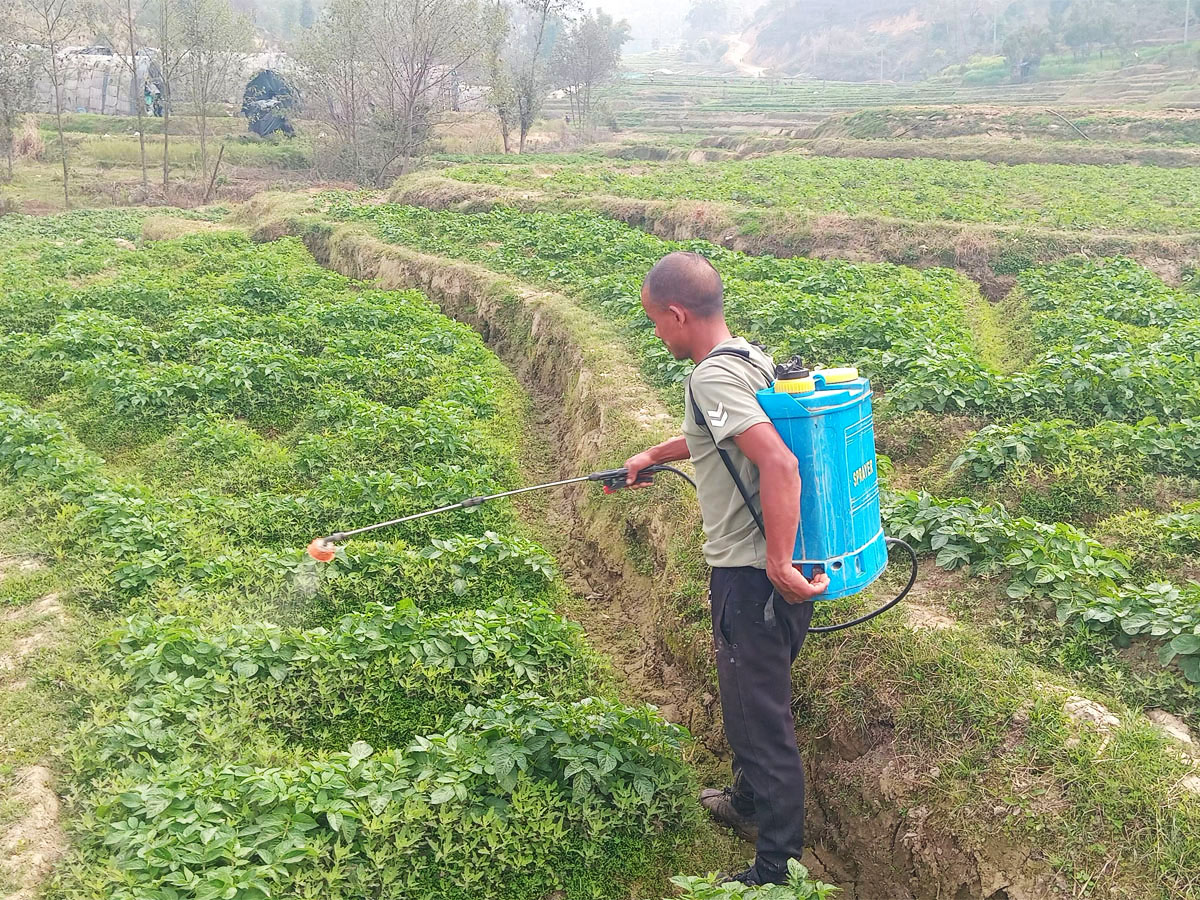
The increase in imports is a direct result of farmers increasing their consumption of pesticides in their fields. Easy and accessible access to pesticides has led to farmers' increased use on crops and vegetables. While the use of chemical pesticides on food and vegetable crops is increasing, the government has been unable to regulate and control it. The misuse of pesticides has grown because farmers have not been given proper training and technical knowledge about the correct amounts and methods for using approved pesticides.
Earthquake Victims Dying in Temporary Shelters
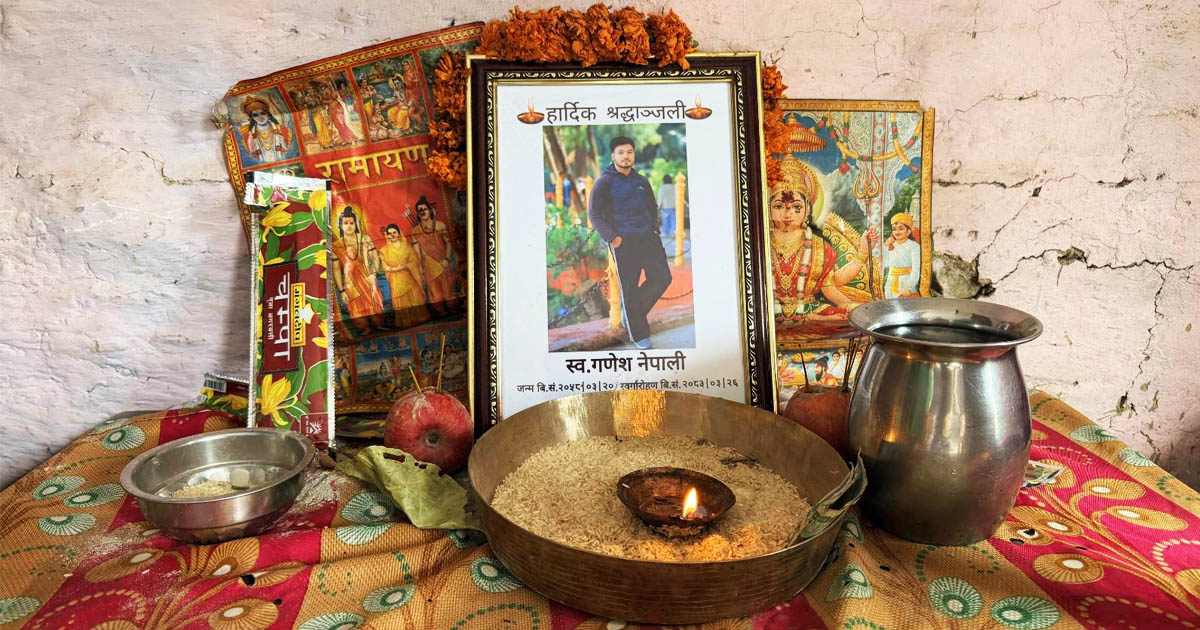
Earthquake victims affected by the 2023 Jajarkot earthquake have not yet received government grants to build their houses. Because of this, they are still living under tarpaulins and tin roofs. Forced to spend winters and monsoons in temporary shelters, new mothers, the elderly, girls, and those with chronic illnesses are dying prematurely.
Unregulated Pesticide Use Threatens Public Health
Farmers are increasing their use of deadly pesticides in the fields. According to data from the Plant Quarantine and Pesticide Management Centre, pesticide use is growing by 10% every year. This increasing use of pesticides is not only having a serious impact on human health but also on the environment and the ecosystem.
Political Parties Involved in Tax Evasion
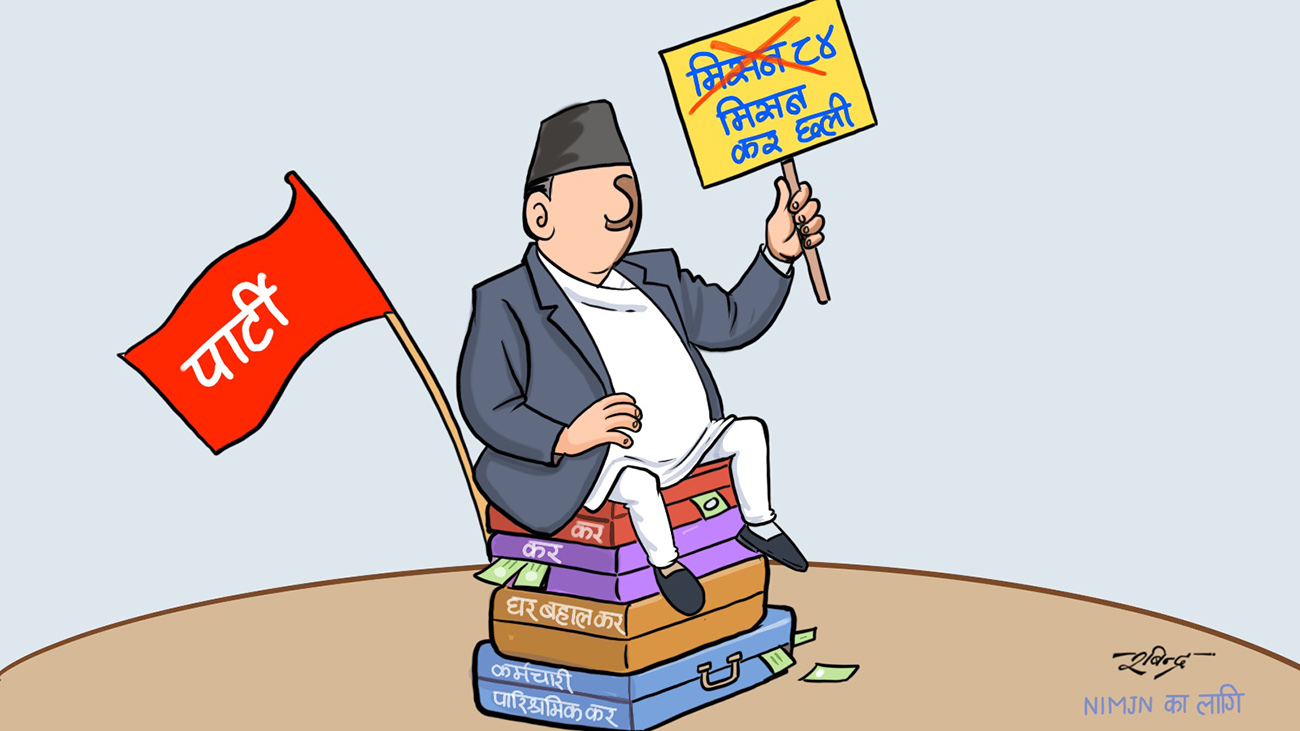
NIMJN Investigation reveals that 62 political parties failed to pay a combined Rs 3.4 million in taxes. An expert audit — with a director from the Auditor General’s Office — found they skipped paying house rent tax, failed to deposit the 1% social security tax deducted from staff salaries, and dodged other advance taxes.
In The Shadows: The Shahtoosh Story
A banned fabric that was once known for passing the wedding ring test, is now sold by shadowy networks across hostile and tight borders. Made from the endangered Tibetan Antelope, Shahtoosh was outlawed decades ago. But it hasn't entirely vanished. A cross-border investigation tracks the dubious paths that sustain the trade. Journalists from India, Nepal, Pakistan, and the United Arab Emirates follow the story through the digital marketplaces of Dubai, to the quiet homes of Kashmir, to the border towns of Nepal, and the upscale wedding collections of Pakistan. The results of the report casts doubt on the effectiveness of the ban across the world, while also providing crucial information on how the trade has changed with technology.
Team Asian Dispatch
Nepal’s earthquake-affected poor have no resilient houses yet, while the state looks on
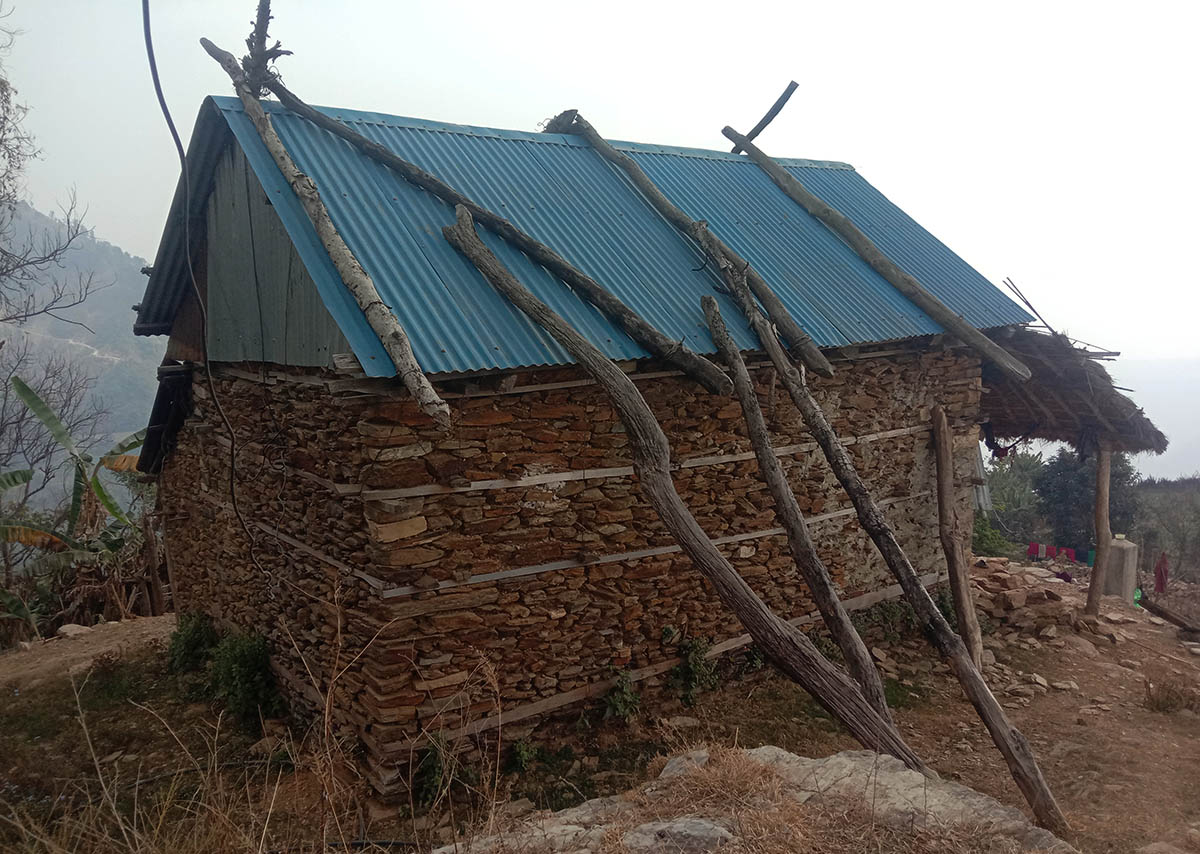
A decade after the 2015 earthquakes, more than one million houses were damaged. Due to slow progress in reconstruction, the dream of poor, disadvantaged, marginalized communities, and single women to live in resilient houses remains unfulfilled. A total of 92,000 beneficiaries who were affected by the earthquake are still waiting for their third installment.
Salt in the Wound: How Dithering on Implementation of Salt Act is Taking Toll on Health of Nepalis
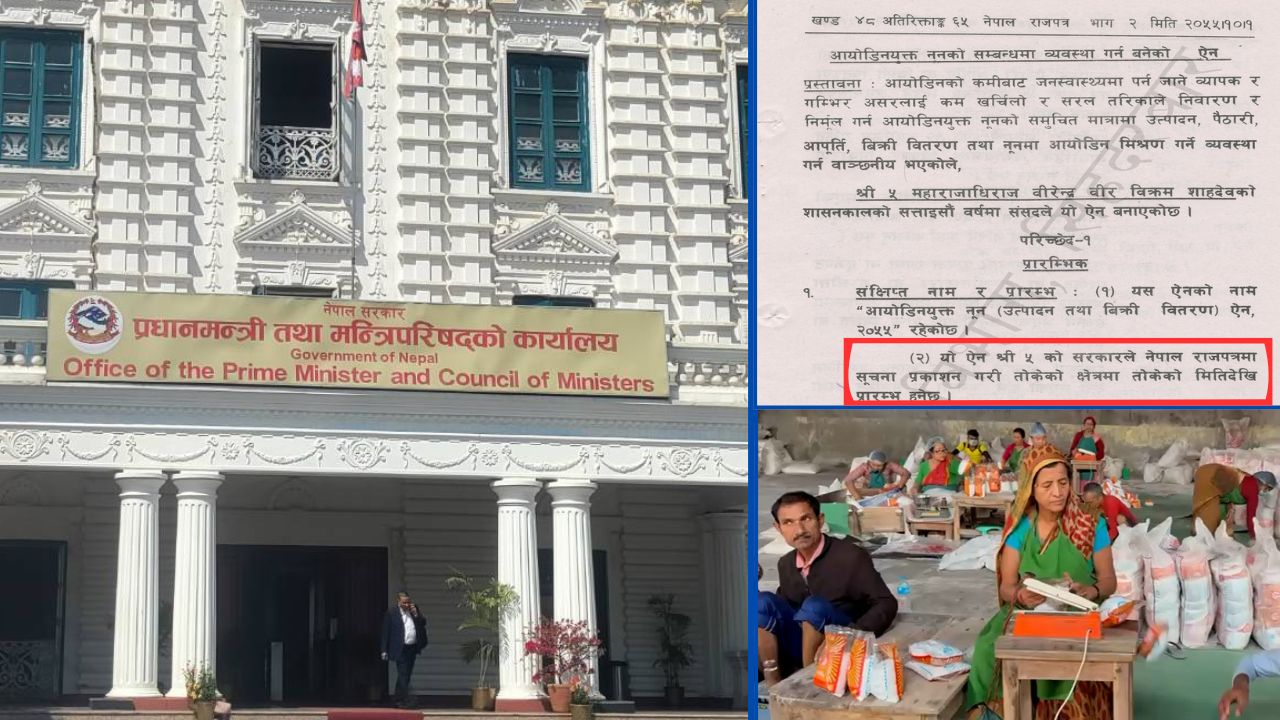
Following the publication of this investigation, the Nepal government has decided to implement the 1998 Act (2055 BS) to regulate iodized salt, effective from July 17, 2025. The Industry, Commerce, Labour, and Consumer Welfare Committee of the House of Representatives has called for the formation of a task force to determine the amount of iodine in salt, citing the high iodine content.
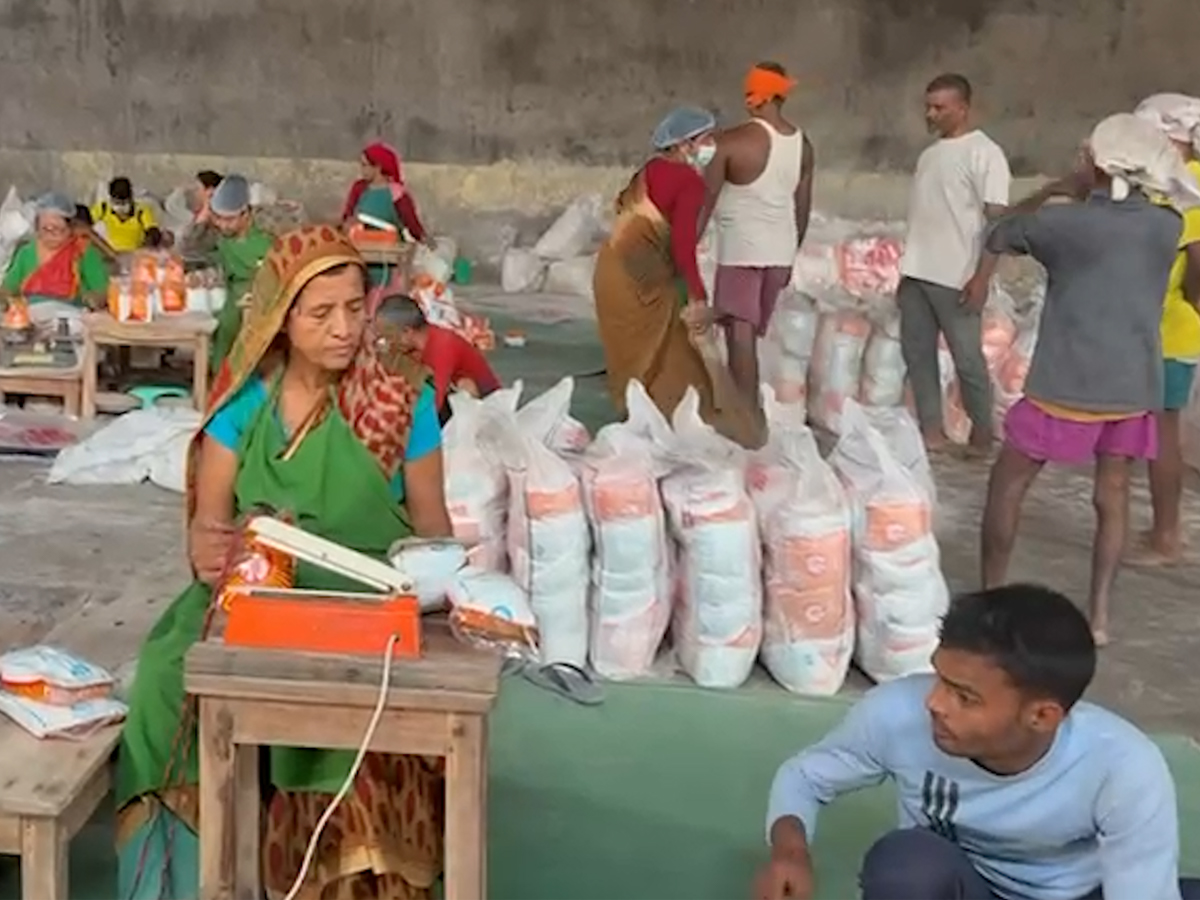
Food for Thought: Excess of Iodine in Salt Poses Health Risks to Nepalis
The World Health Organization (WHO) has set a standard of 40 PPM at the production level and 15 PPM when it reaches consumers. Neighboring India has a standard of 15 PPM when consumers purchase in retail shops and 30 PPM during production. Nepal's standard has significantly more iodine than both the WHO and Indian standards. According to the government-set standard, salt sold in Nepal should have 30 PPM iodine when it reaches consumers.
1
2
3
Next
header.Language