Navigation
Investigations
Features
Blog
Events & Training
NIMJN Talk
Training/Workshops
Journathon
Newsletter
About
Our Team
Fellows
Interns
Past Interns
Our Network
Publishing Partner
Past Fellows
Newsletter
FAQs
En
/
Np
En
/
Np
Investigations
Features
Blog
Events & Training
NIMJN Talk
Training/Workshops
Journathon
Newsletter
About
Our Team
Fellows
Interns
Past Interns
Our Network
Publishing Partner
Past Fellows
Newsletter
FAQs
Features
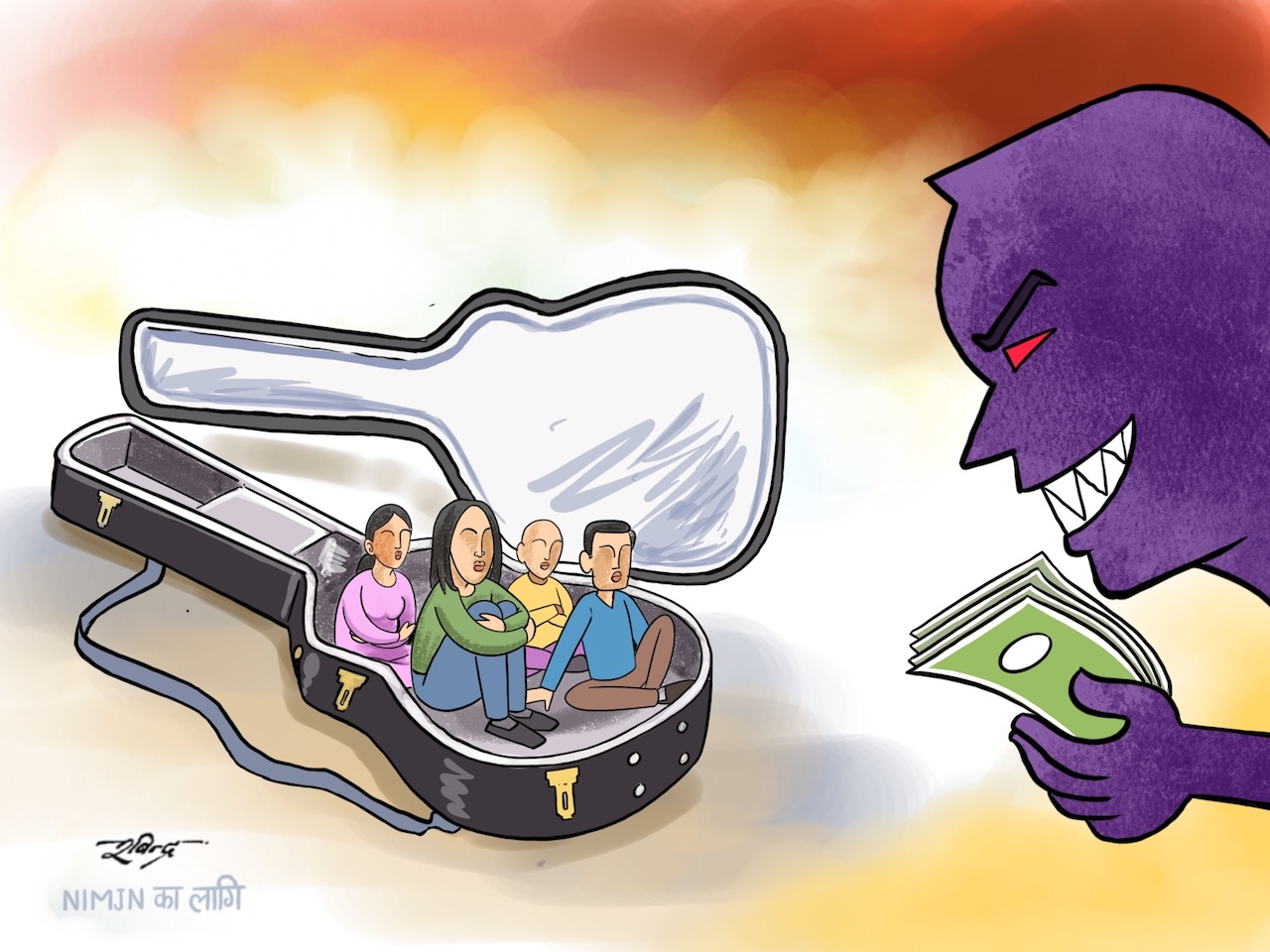
How Poverty Becomes a Pathway to Trafficking
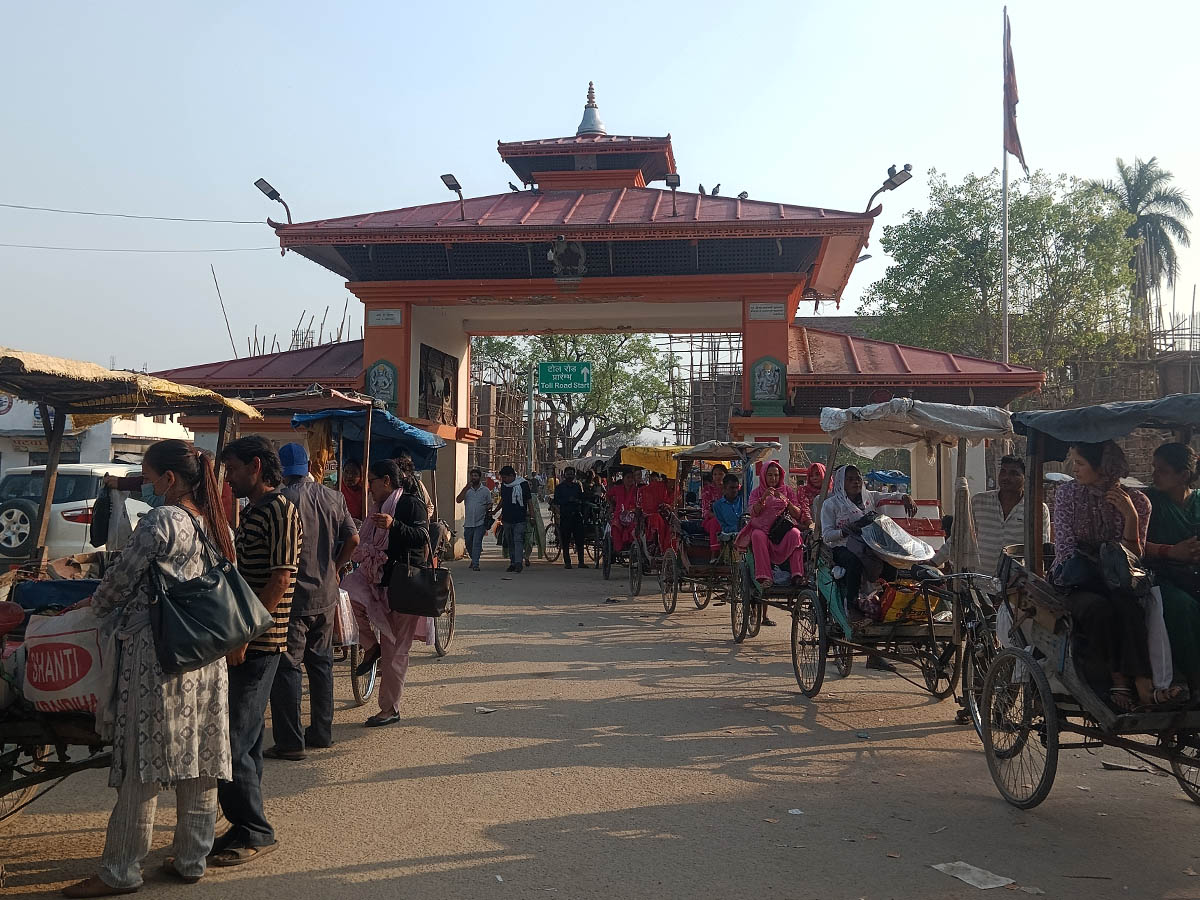
Sunita, Rita, and Punam have one thing in common. They come from poor families and were going to India in search of employment. Thanks to the efforts of Maiti Nepal and Shanti Punasthapana Griha, the agencies that monitor people at risk of human trafficking, they were rescued. Numerous organizations are actively working to rescue girls vulnerable to trafficking from the southern border regions of Nepal. According to Keshav Koirala, the Banke district coordinator for Maiti Nepal, girls similar to Sunita and Rita are rescued from the Nepalgunj border area daily.
Girls From the Freed Haliya-Kamaiya Community in Peril of Exploitation and Trafficking
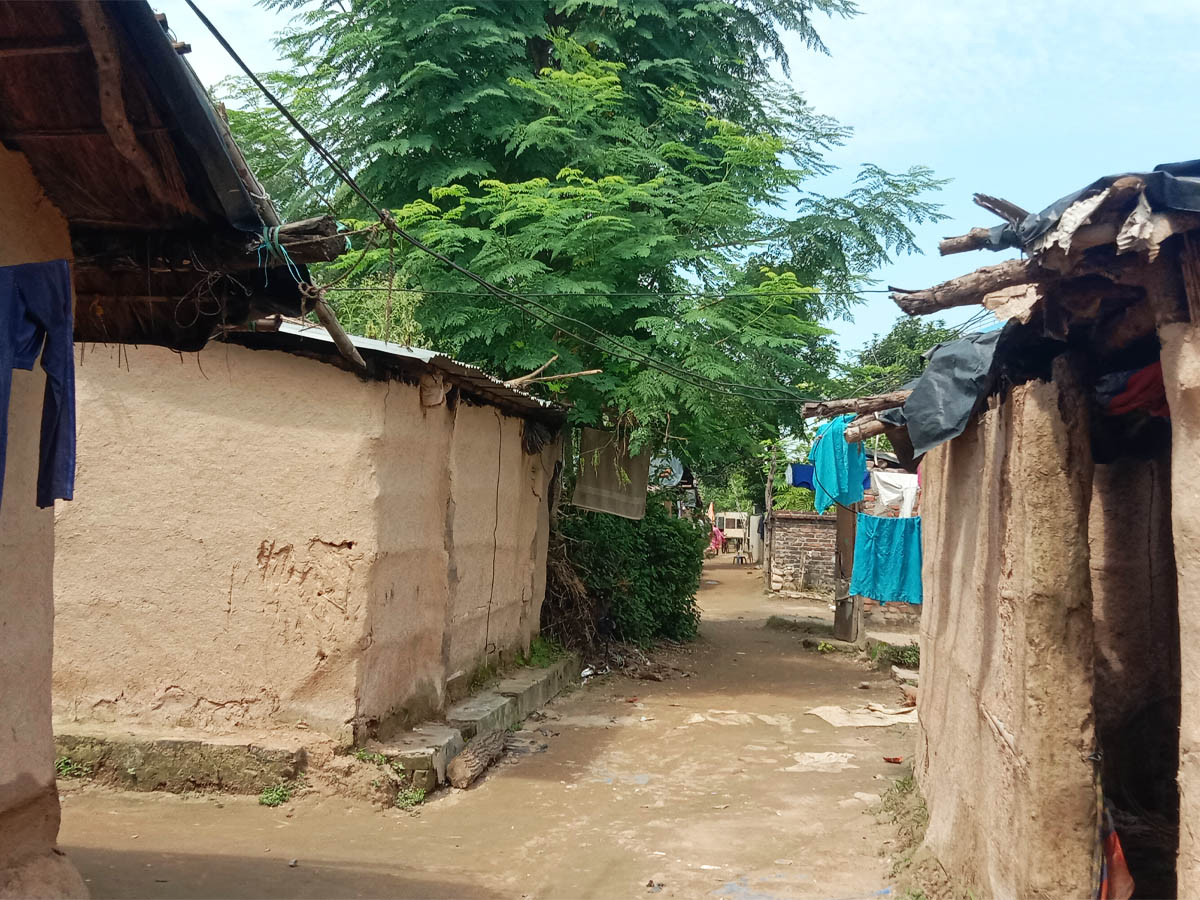
Known as Khuna Basti, the individuals from the Haliya community residing here sustain their families and manage household expenses primarily through wage labor. Thirty families, totaling 251 individuals, reside in thirty shelters here. While there are 124 women in this settlement, the number of adolescents appears to be low. Guardians report that most adolescents from these families have gone to India to earn an income. Although parents say they have gone to earn a living, the adolescent girls who have gone to India are found to be at risk of human trafficking and exploitation.
Nepali Women in Kuwait Face Exploitation, Deprived of Justice Due to Lack of Evidence
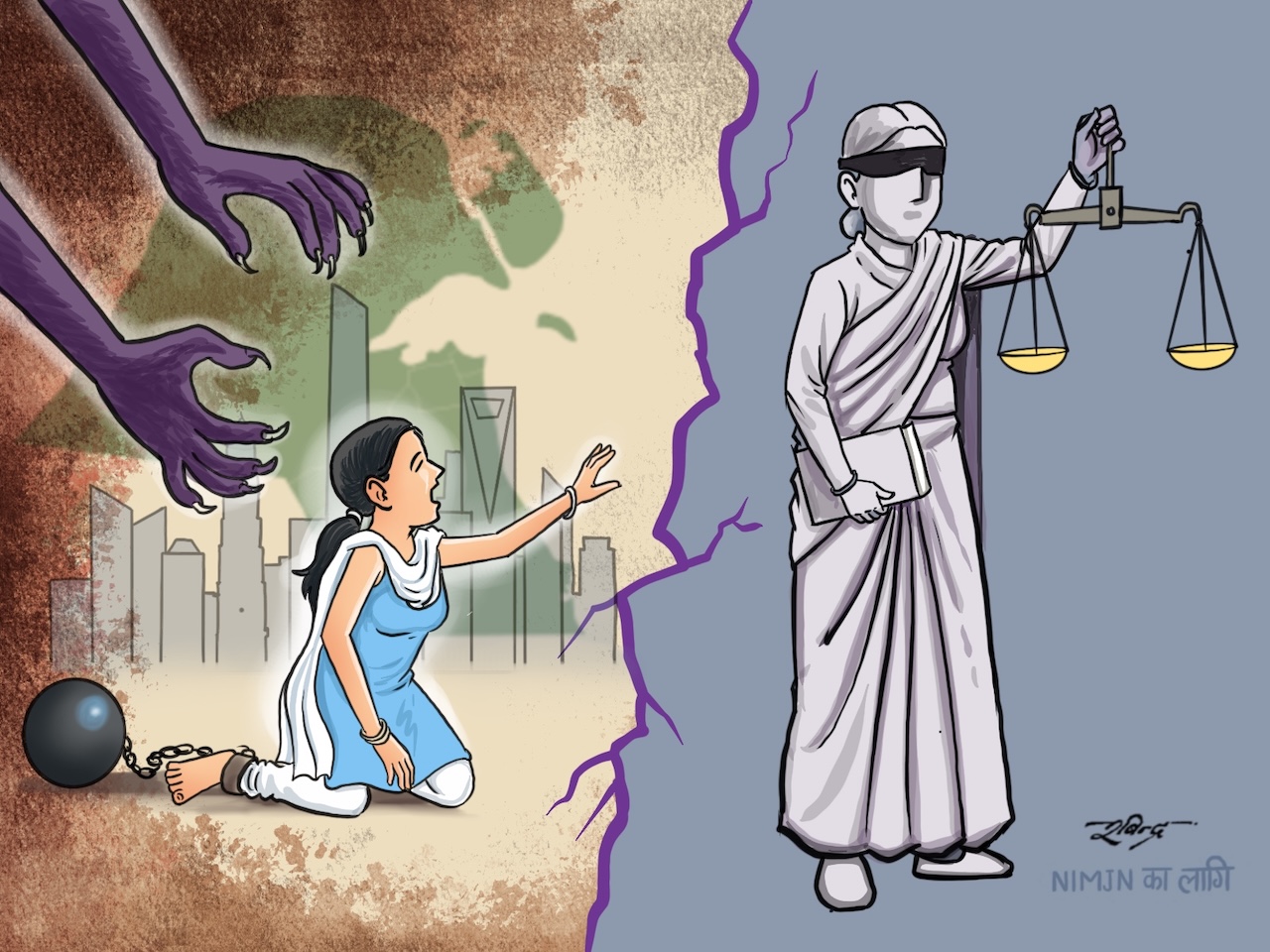
Harimaya (name changed) is among many women facing problems after going abroad for domestic work to support their families. Many women like her have suffered mental and physical torture while working as domestic workers abroad. They have had to pay brokers hundreds of thousands of rupees to go abroad, and when they return prematurely because they cannot work. Due to a lack of evidence, they are also denied justice and compensation.
Supporting Smallholder Women Farmers With Hand Tractors
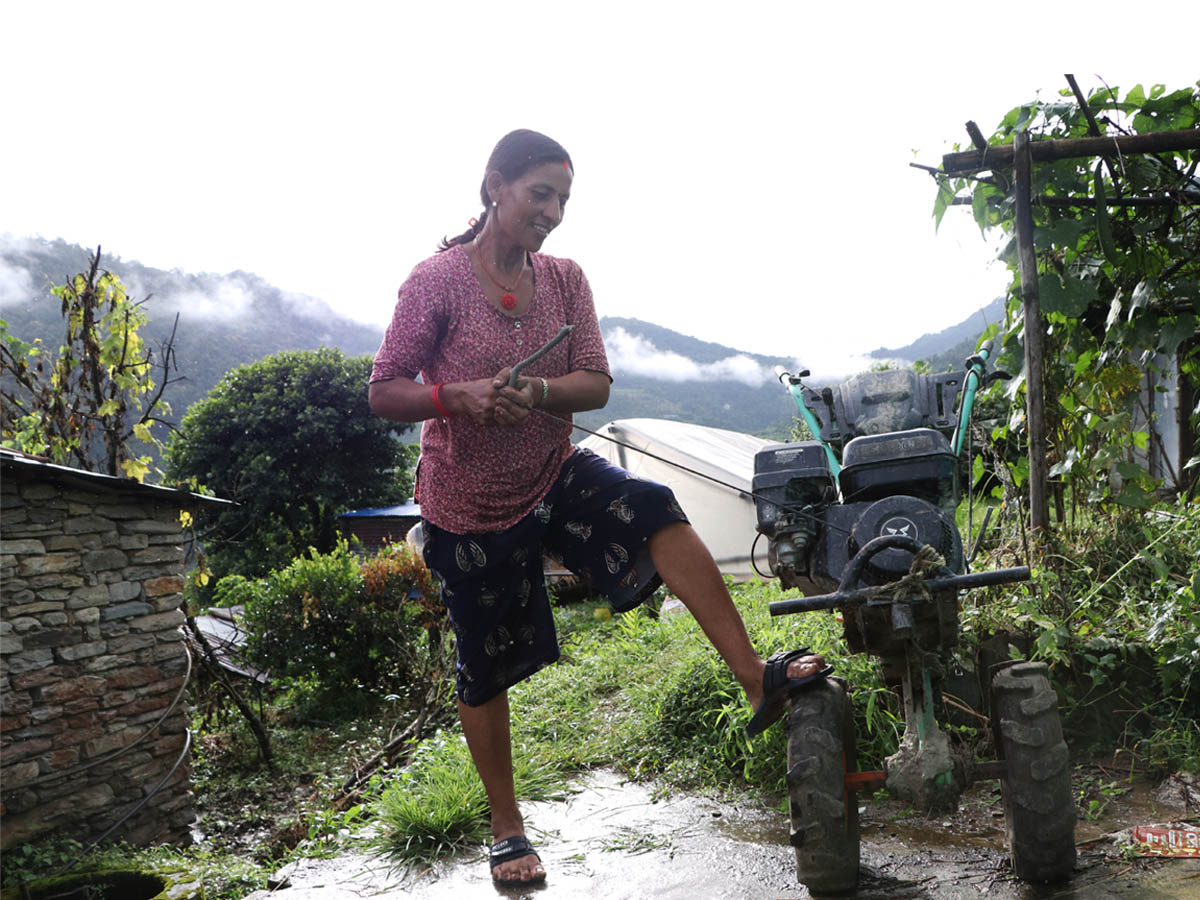
Gyanu Bhandari is an example of what smallholding women farmers can achieve in gaining economic independence with continuous commitment, hard work, and a little help from the local government. The vegetables from her limited farmland sustain her livelihood and cover the education expenses of her children. It wasn’t easy for Bhandari, whose husband is in Hungary on foreign employment, to establish herself as an independent small-scale vegetable farm owner.
National Seed Company in Shambles
In the past, seeds were processed at the Krishi Samagri Company in Ghorahi. However, the processing plant has been closed since 2003. The company, which once handled seeds and saplings, is now limited to distributing chemical fertilizers.
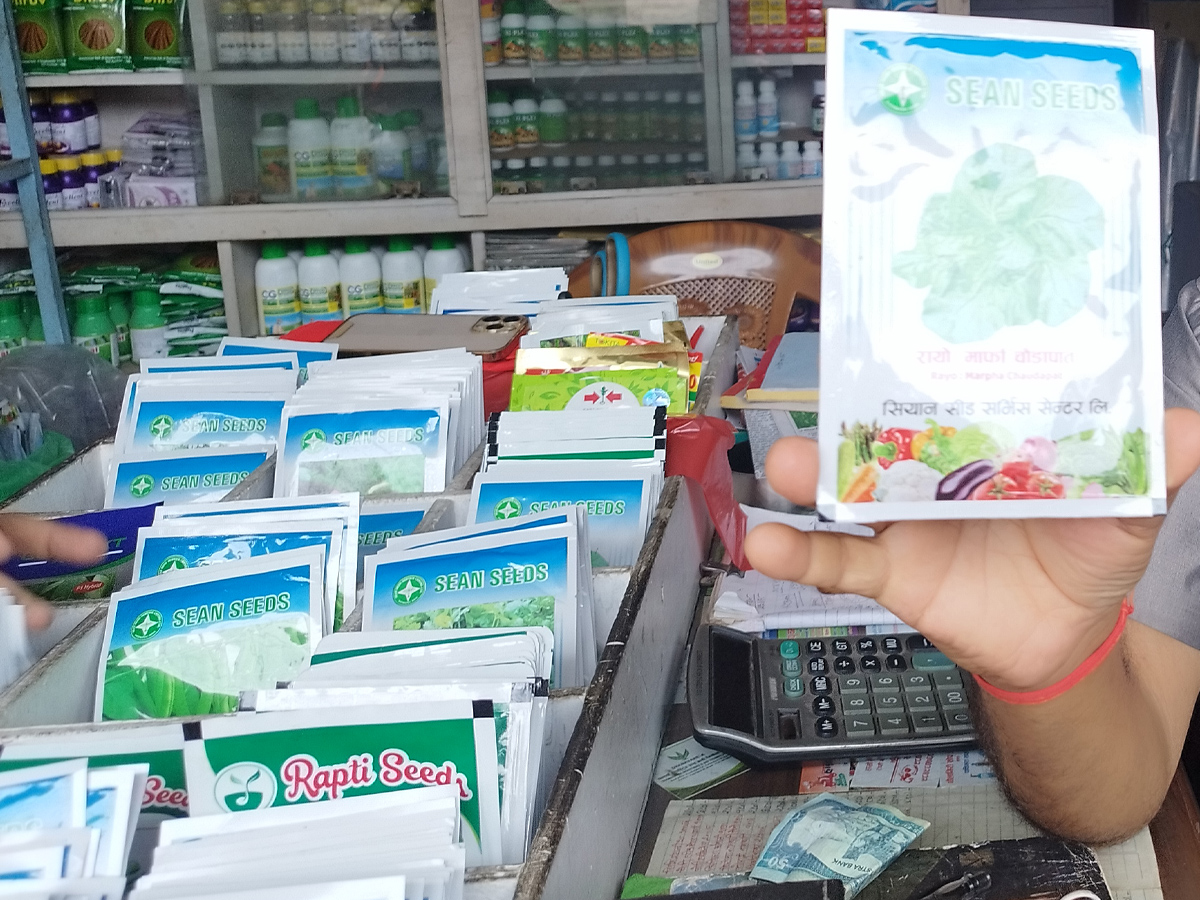
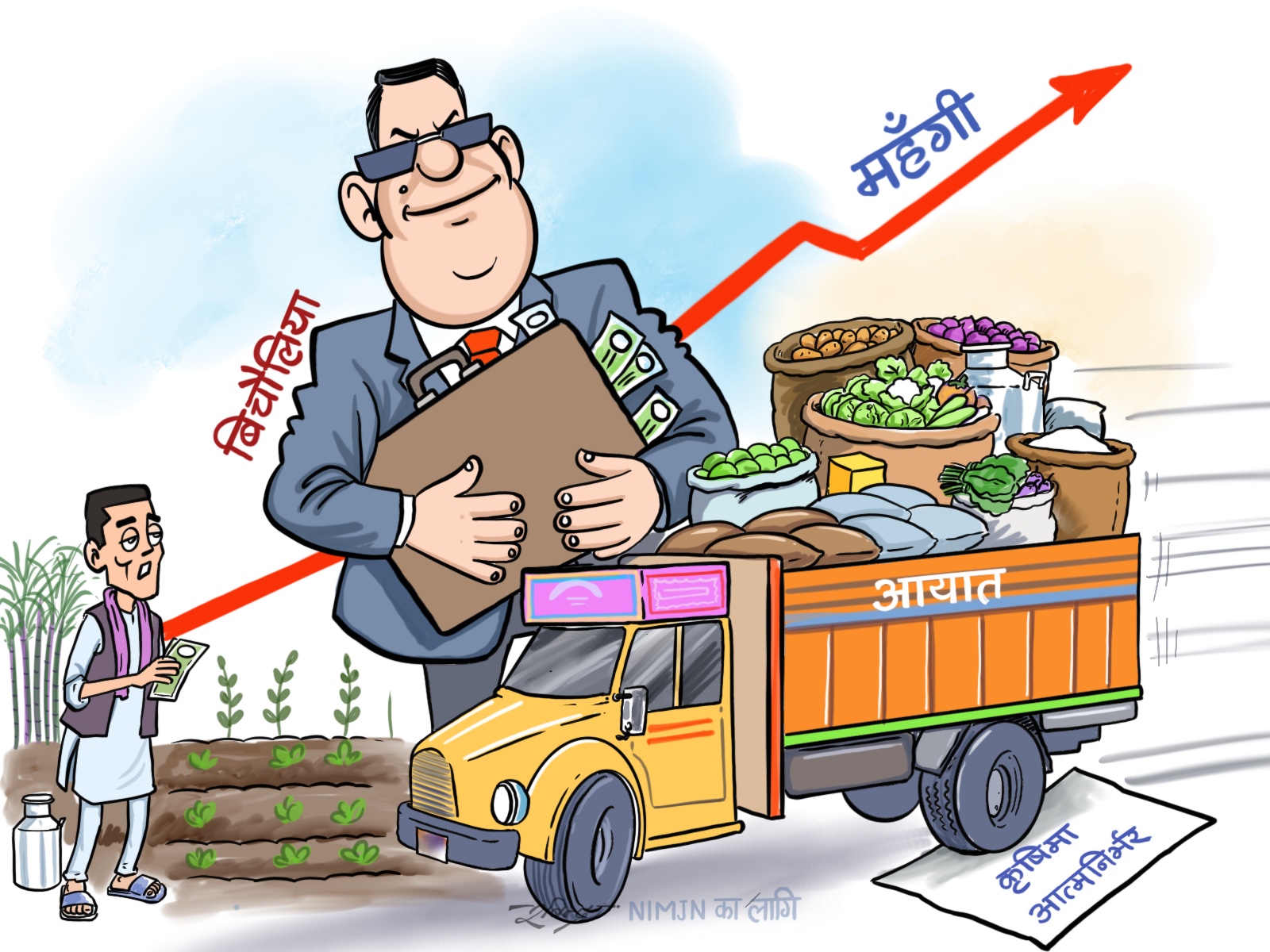
How Overreliance on Imports of Vegetables and Food Grains is Constraining Nepal’s Agriculture Potential?
With multiple problems shackling the agriculture sector, Nepali farmers are often at the receiving end and Nepali consumers are bound to pay higher prices for food and vegetables.
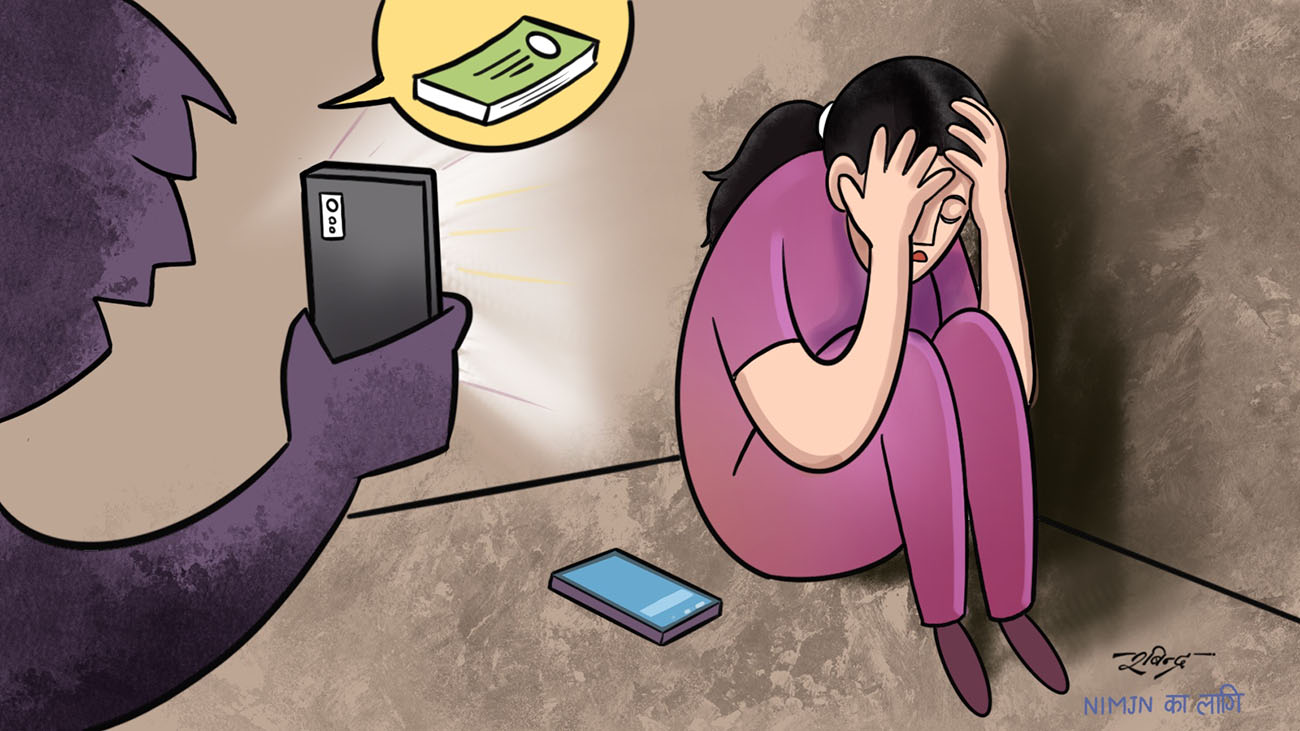
The Honey Trap: Faking Relationships to Extort Money
In practice, a honey trap occurs when a man or woman gradually establishes relationship with another person, gaining insight into their behavior and assessing their assets. Subsequently, they negotiate for financial gain.
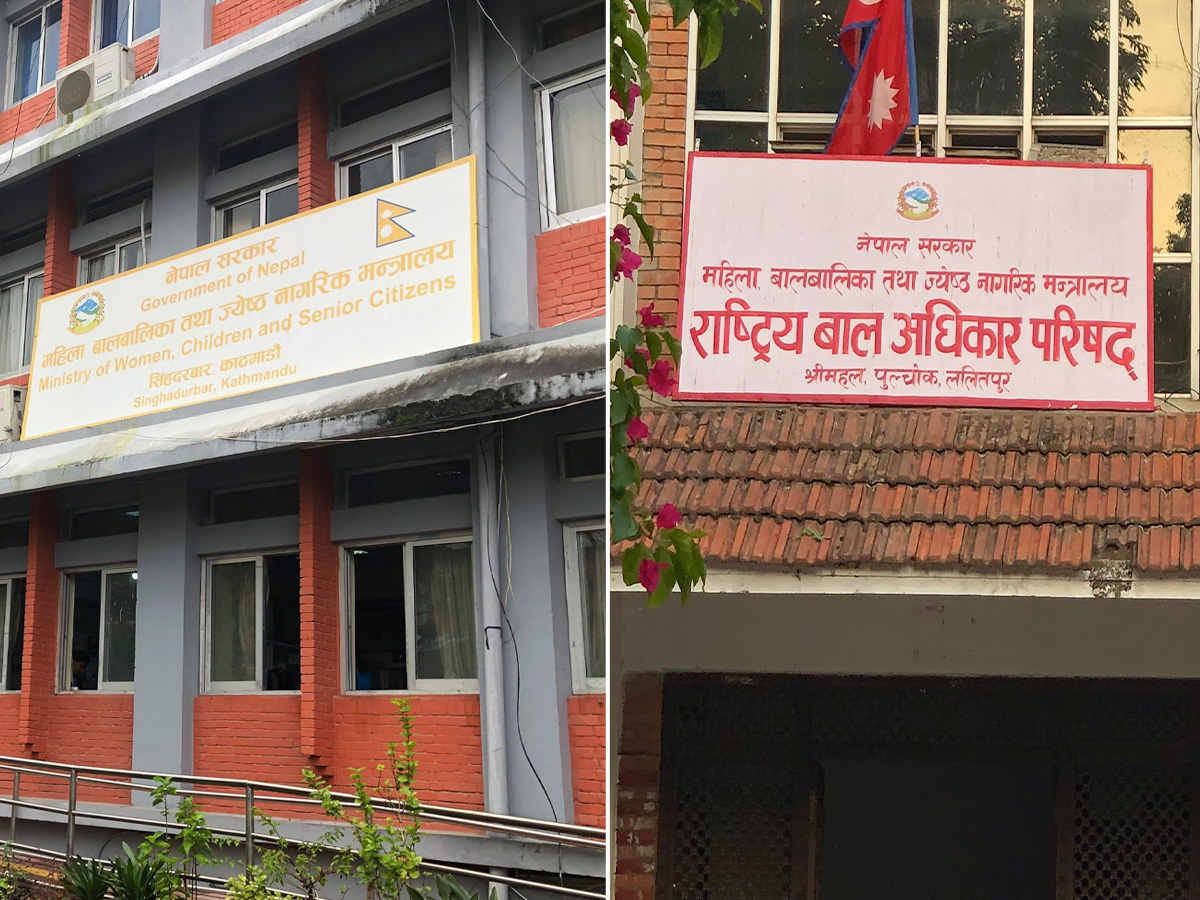
Child Protection Standards in Nepal: Existing on Paper, Absent in Practice
The state has not been able to provide the required legal framework, nor been able to implement the prevailing legal provisions, to protect children from possible psychosocial harms.
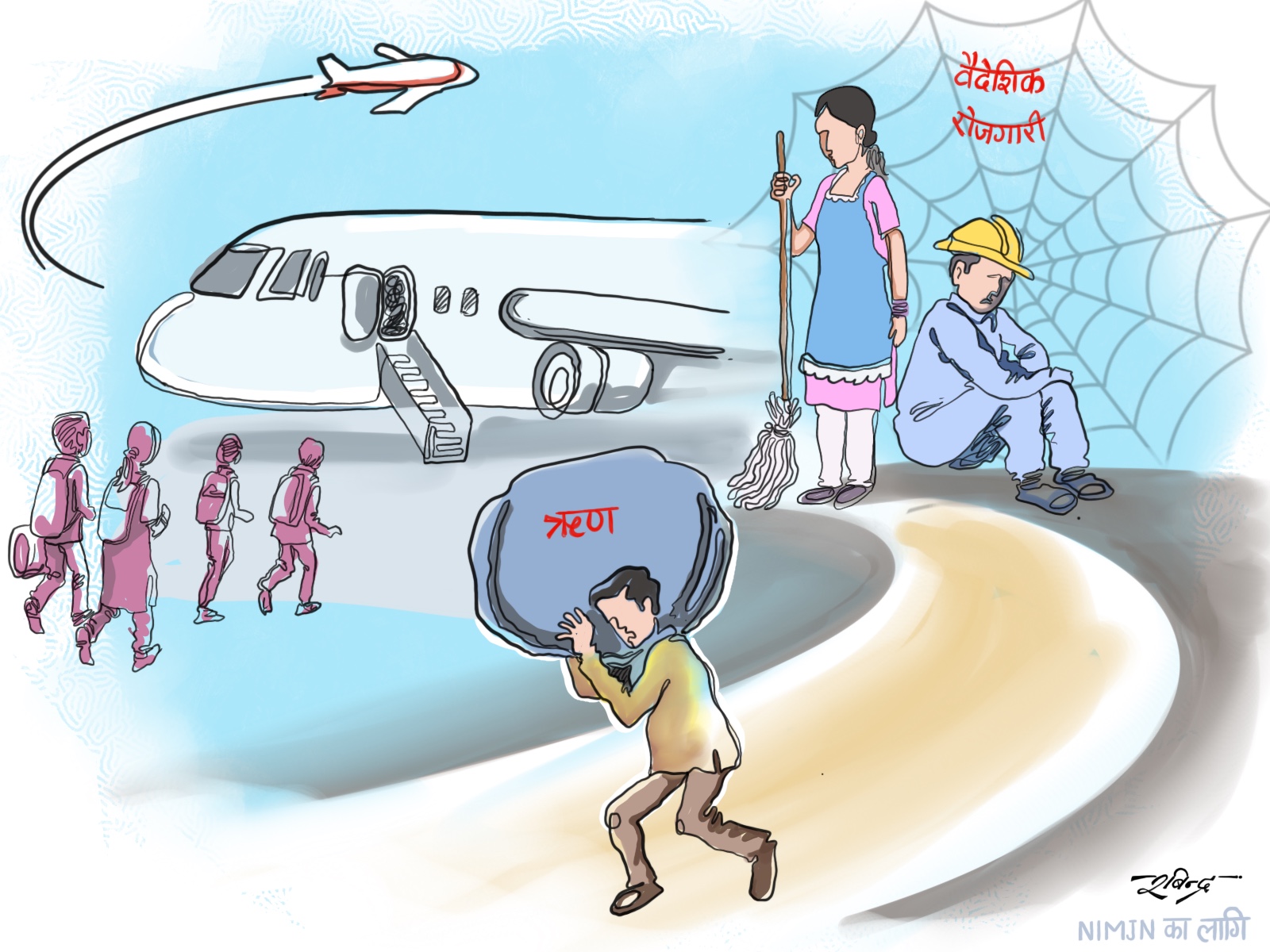
Foreign Employment: Of Lies and Struggles
Around 2,500 youths—male and female—leave the country every day for foreign employment, expecting to get a better job and pay.
Hostile Society for Women
Rape victims in Dang, Nepal’s midwestern district, are often made to change their testimonies in the court out of pressure, fear or coercion to save the perpetrators.
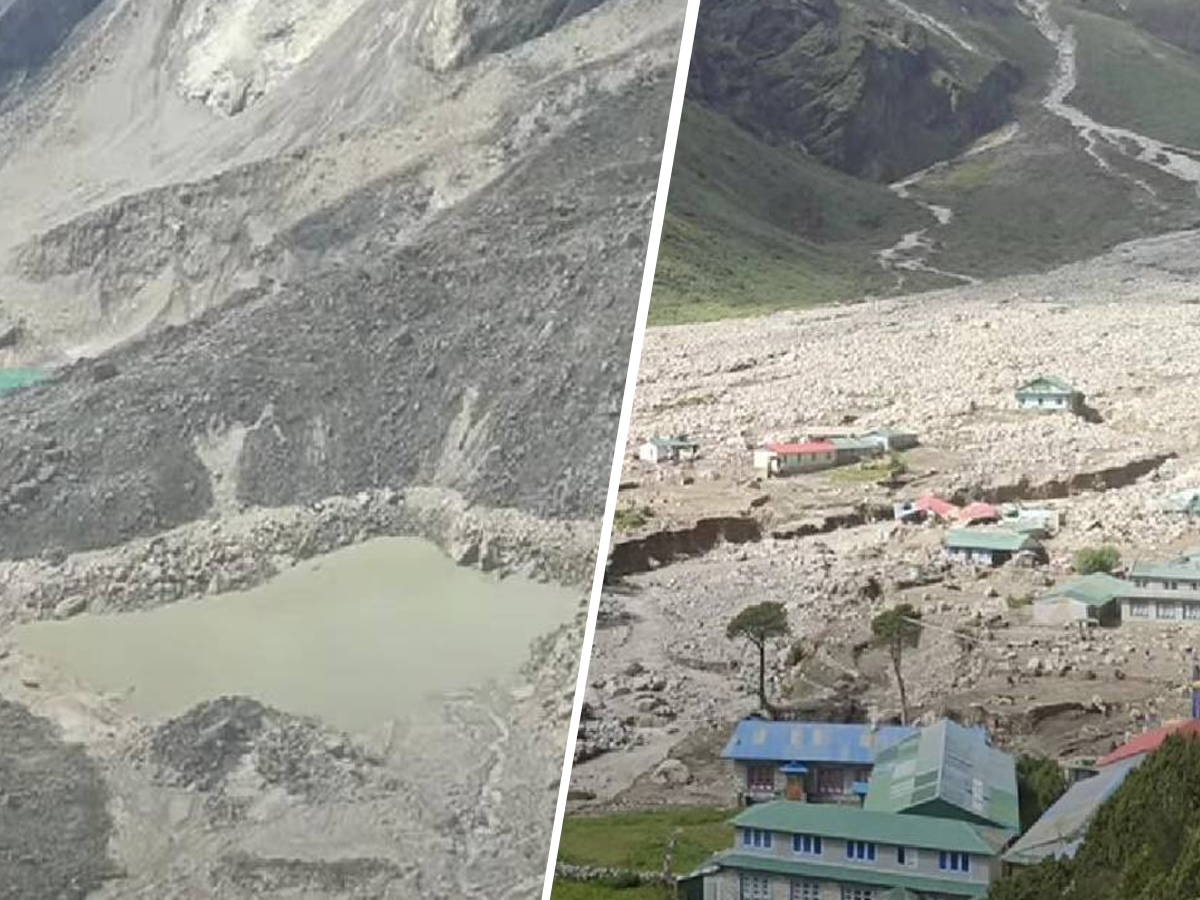
A Himalayan Warning: How a Glacial Lake Outburst Flood in Thame Sent Wake-up Call in Nepal
The rising global temperature is causing glaciers and glacial lakes in the Himalayan region to melt at an accelerated rate, increasing the risks of floods and other disasters.
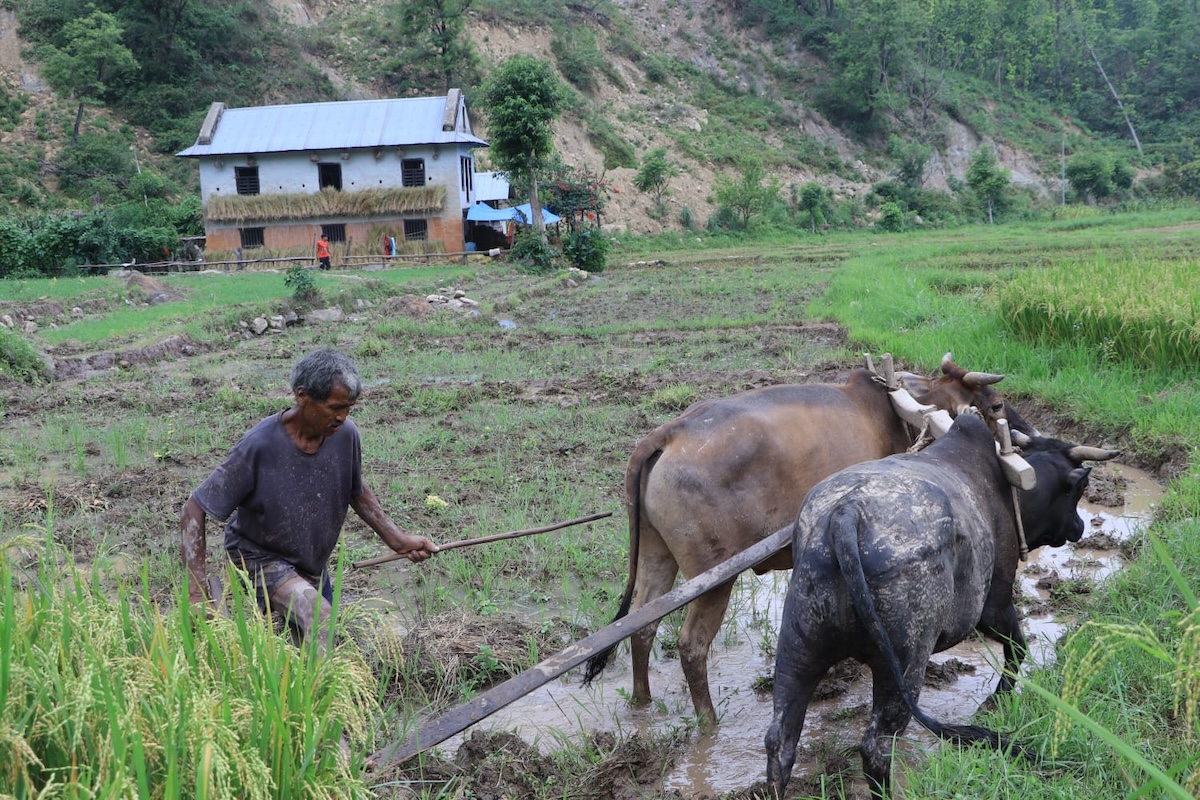
Farmers Deprived of Agricultural Grants
Both the federal and local level governments have a facility to provide grants to help farmers like Budamagar and Chaudhary. However, farmers like them have not been receiving such grants.
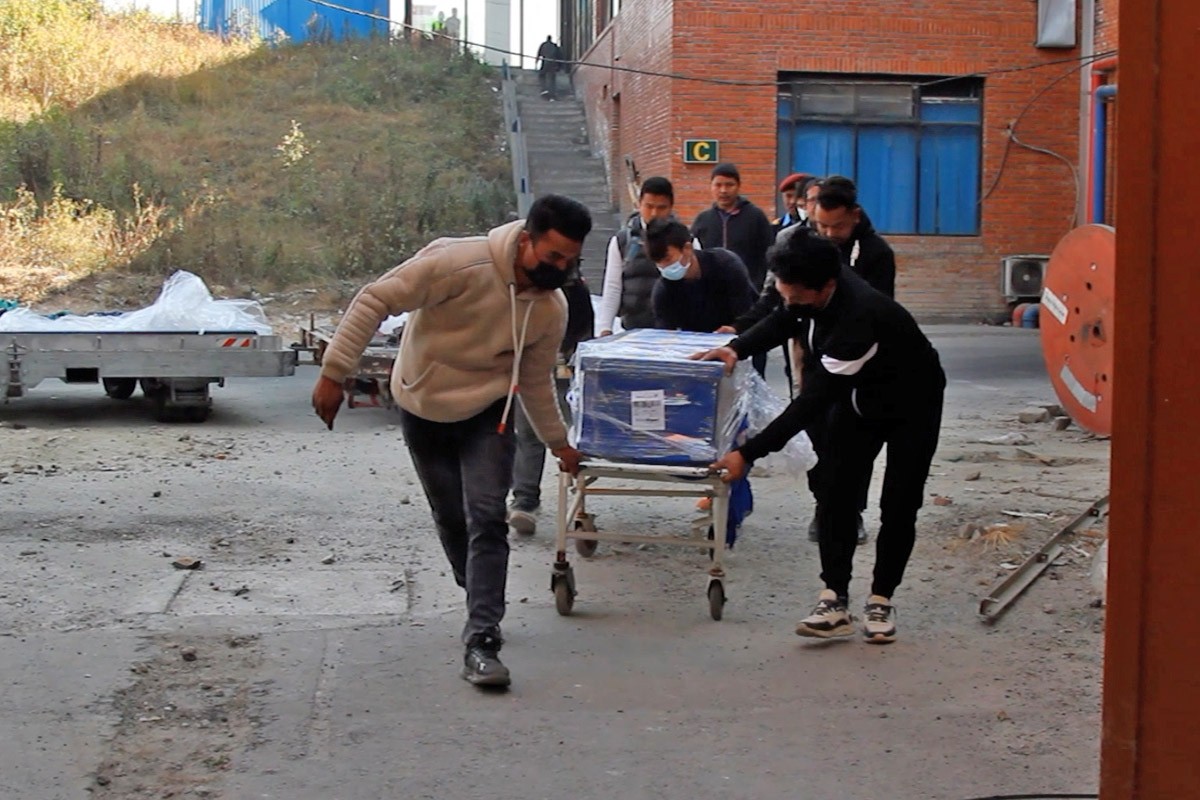
NHRC Asks the Foreign Employment Board to Monitor Vehicles Used in Transporting Dead Bodies
NIMJN investigation had uncovered that the Foreign Employment Board was only using two-wheeler vehicles and that these vehicles are not suitable for steep or rough roads in remote areas to transport the dead bodies.
NIMJN
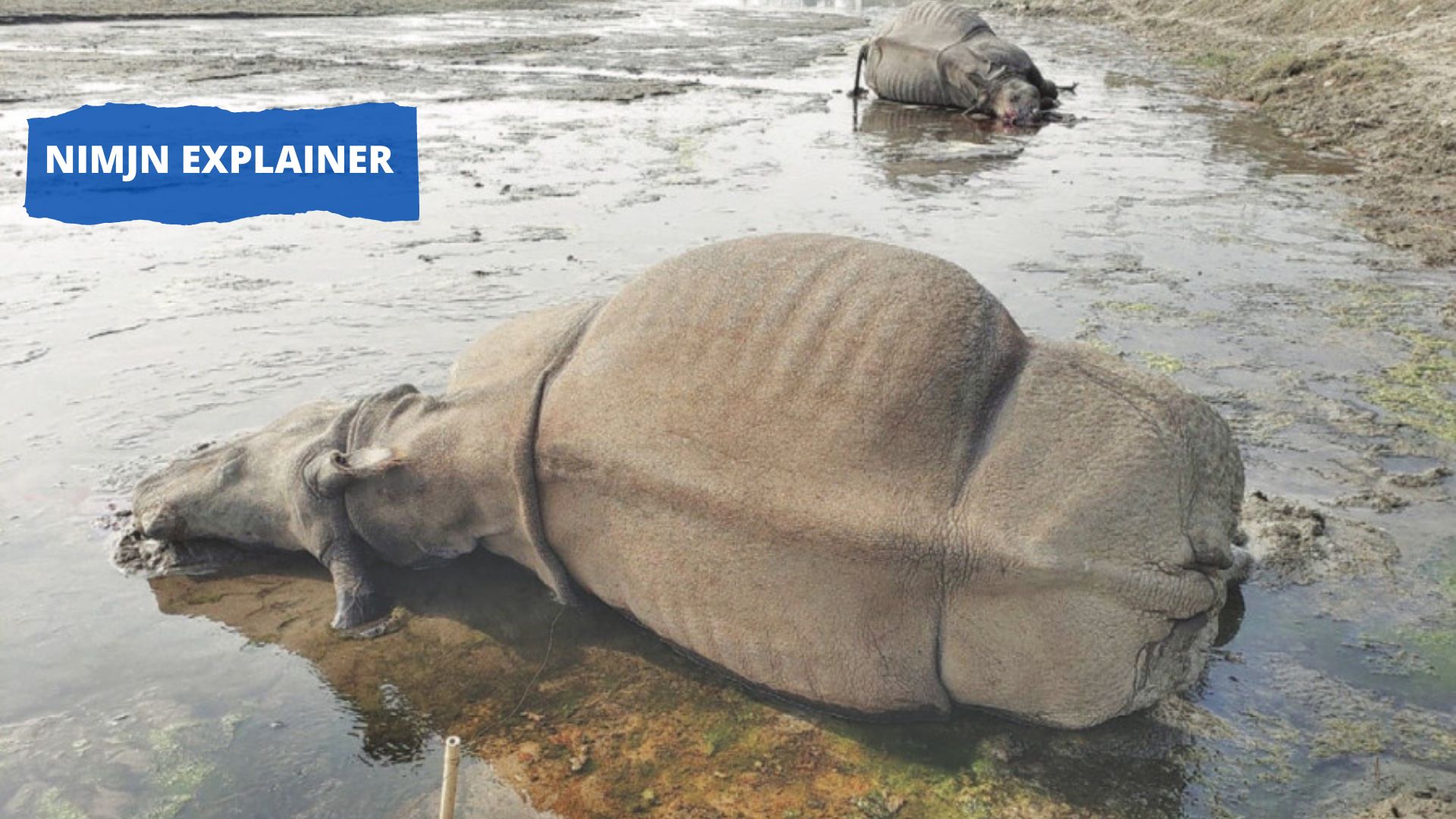
Electrocution Emerges as a New Threat to Nepal's Rhino Conservation
The new method adopted by poachers and wildlife parts smugglers to kill rhinos has equally worried conservationists as this cruel method poses a genuine threat to the existence of wildlife.
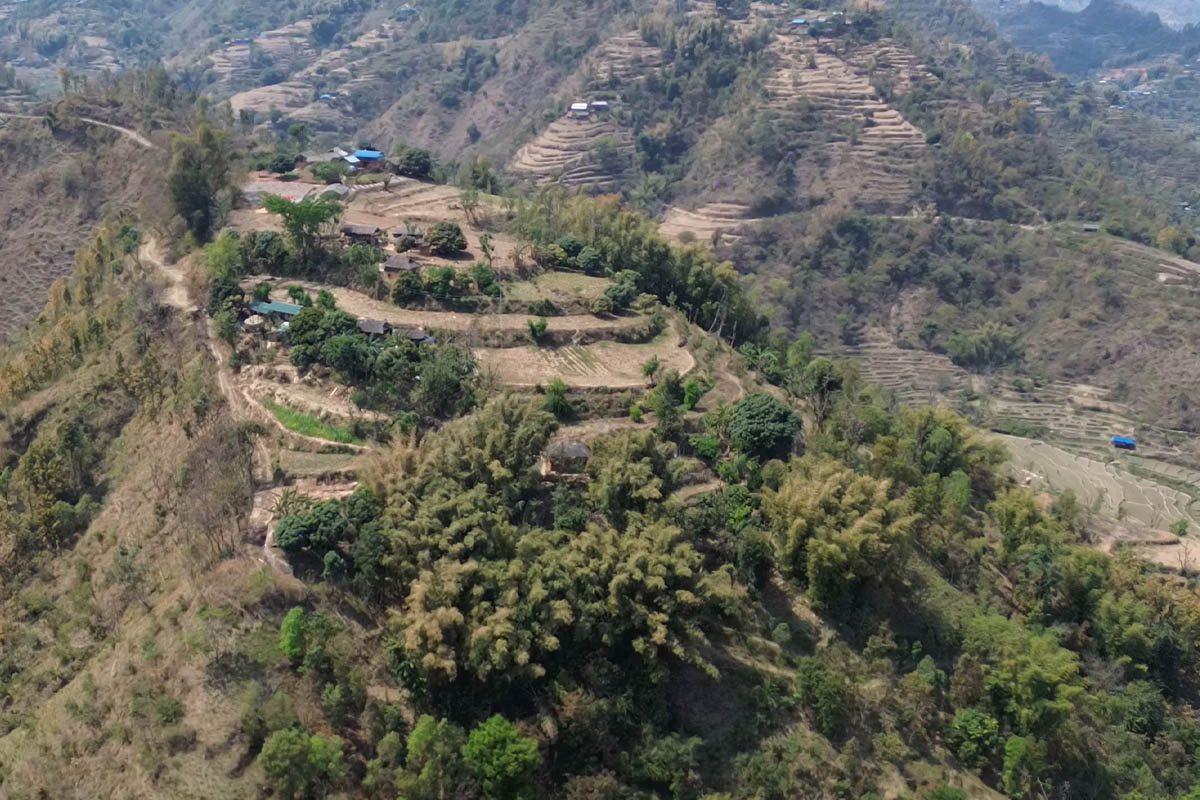
A tale of Nepal’s countryside
The story of Kesara is a representative story of nearly all families in Gadari village that has 31 households. The youths from 29 households have left for employment either to India or other countries.
Prev
1
2
header.Language