Navigation
Investigations
Features
Blog
Events & Training
NIMJN Talk
Training/Workshops
Journathon
Newsletter
About
Our Team
Fellows
Interns
Past Interns
Our Network
Publishing Partner
Past Fellows
Newsletter
FAQs
En
/
Np
En
/
Np
Investigations
Features
Blog
Events & Training
NIMJN Talk
Training/Workshops
Journathon
Newsletter
About
Our Team
Fellows
Interns
Past Interns
Our Network
Publishing Partner
Past Fellows
Newsletter
FAQs
Disasters
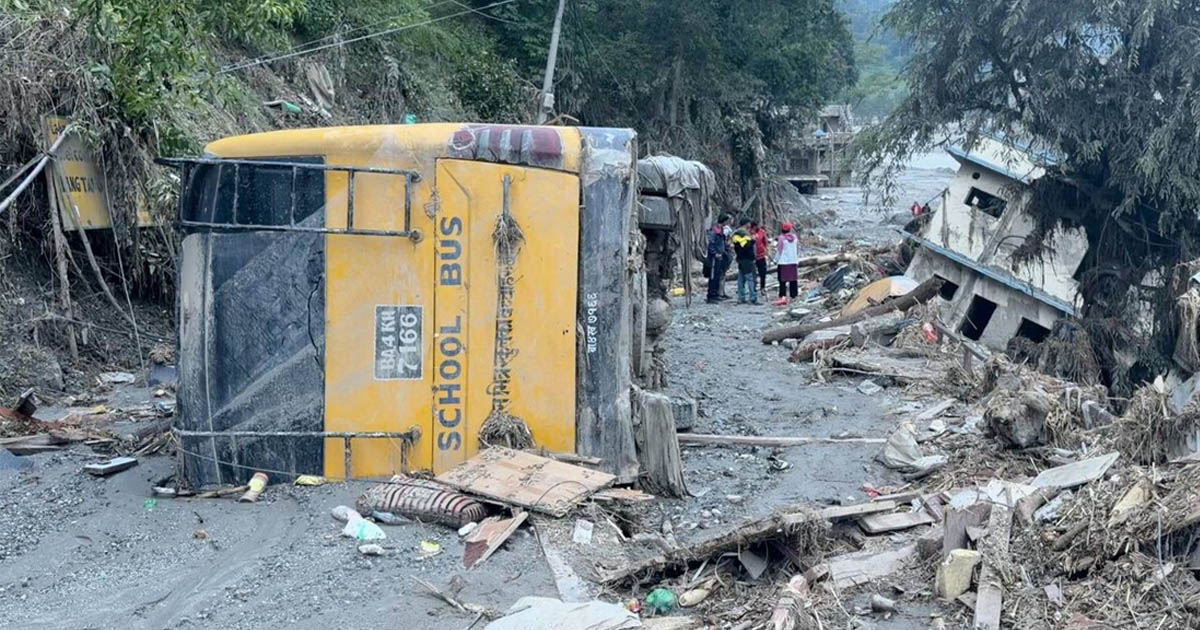
Flood-Swept Schools Struggle to Find Space to Reopen
Schools completely damaged by floods in Rasuwa, Nuwakot and Dhading want to ease the trauma of the flood by gathering students in one place to offer psychosocial counseling and resume classes. However, they are struggling to manage the necessary infrastructure to operate the schools.
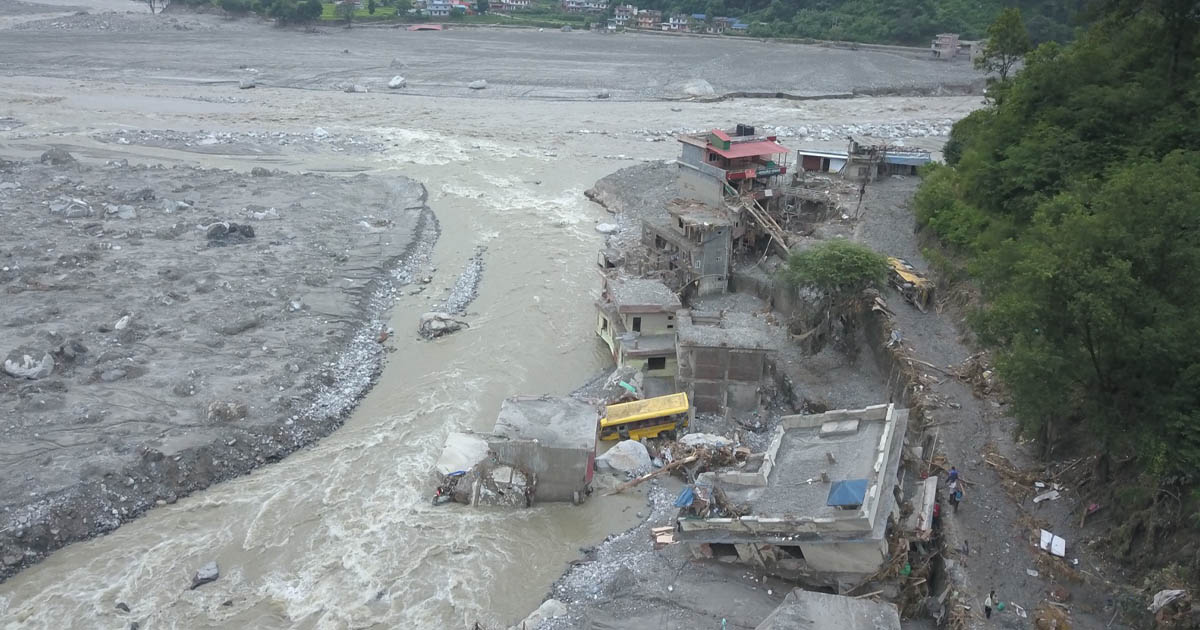
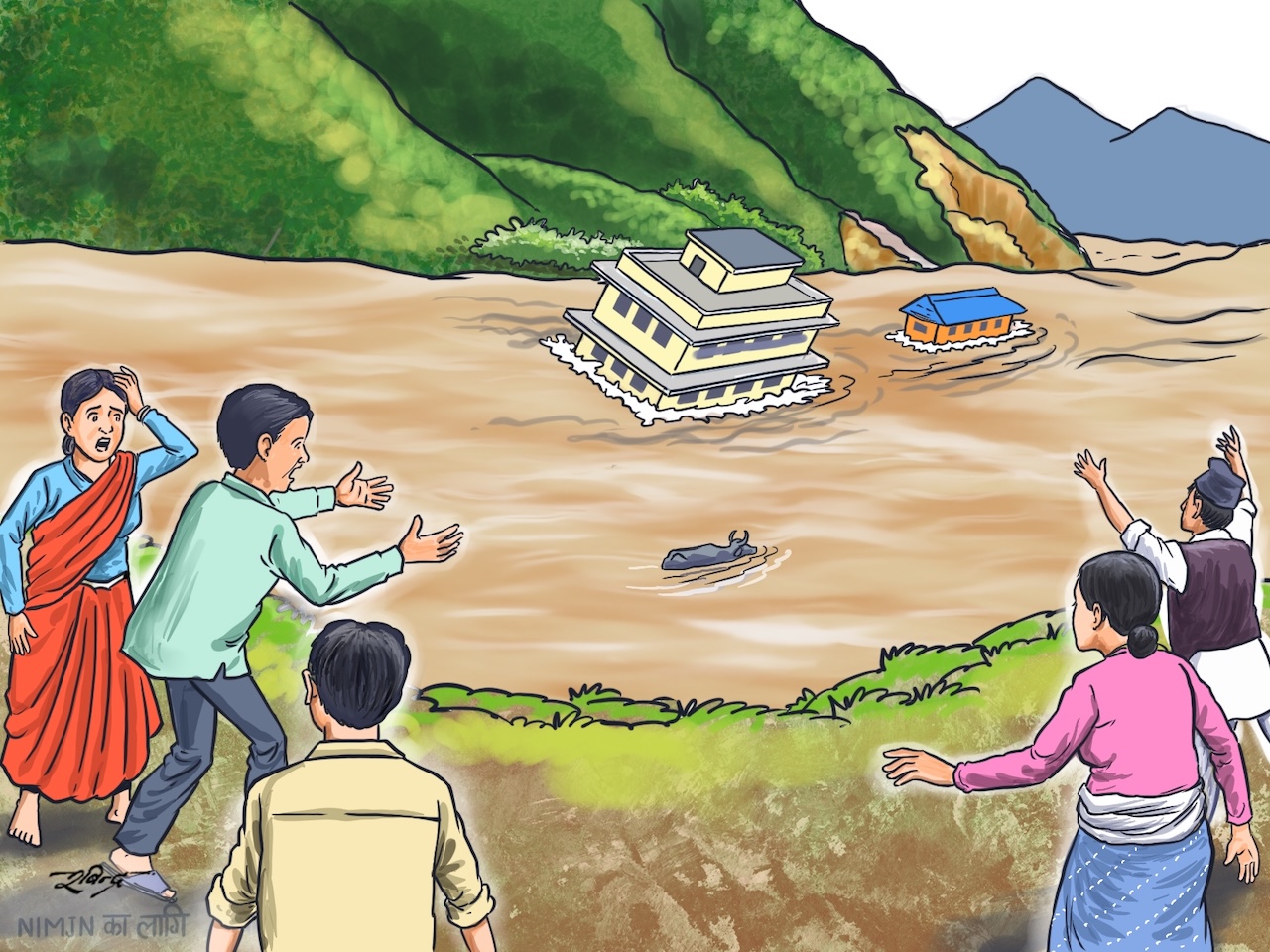
The River Came at Nine
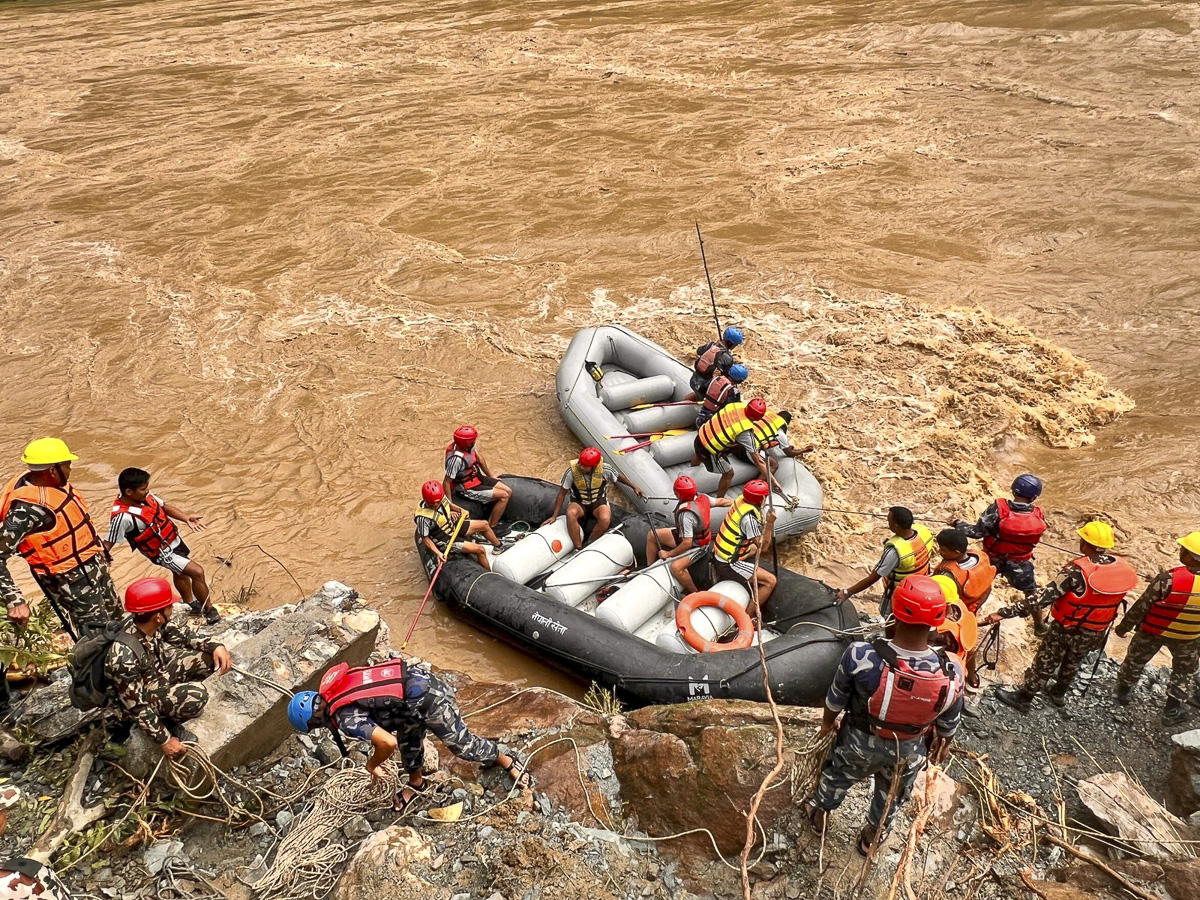
As of the morning of Sept. 3, the ninth day of the Bhotekoshi flood, government figures show more than 1,200 bodies recovered and 4,216 people still unaccounted for. A full account of how many died in the flood has yet to emerge. Nearly 600 of the missing are from hydropower projects alone. And scientists say a second flood is still lodged in the mountains above.
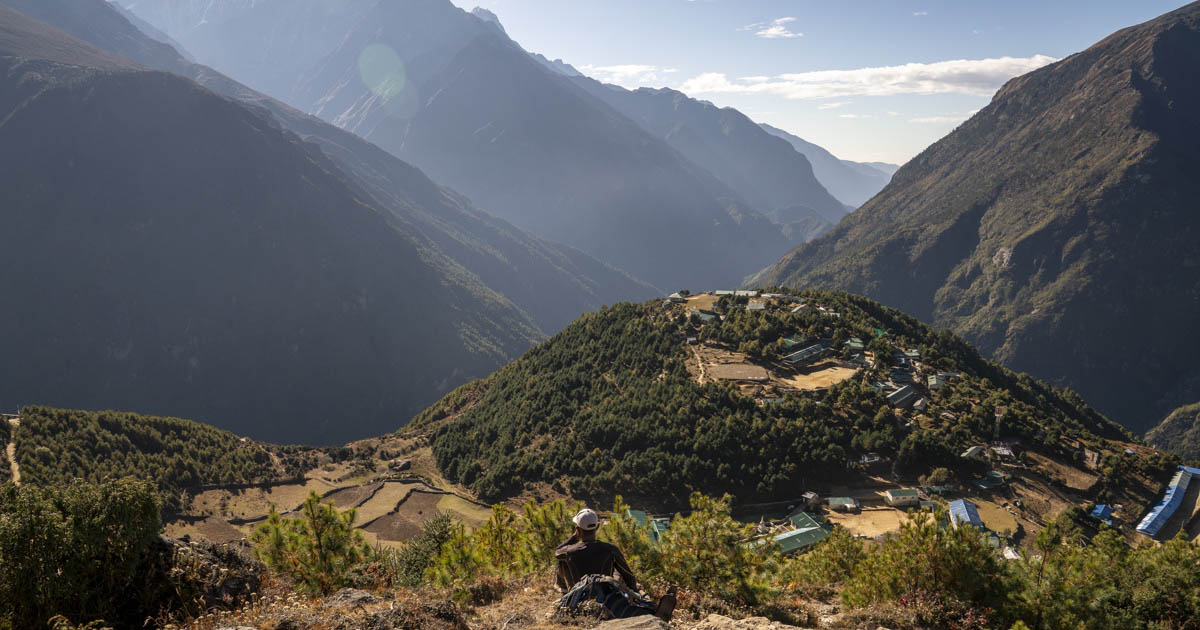
Altitude Sickness Deaths Rise Annually, Data Shows
The number of people losing their lives to altitude sickness in high Himalayan regions is increasing every year, with the highest proportion being young people.
Displaced by Disaster, Madi’s Chepangs Face Violence and Human Trafficking
Marginalized communities who were repeatedly displaced by floods and landslides and settled in Madi, Chitwan, remain unsafe even in their current location. Living in extreme poverty, they are also at high risk of gender-based violence, labor exploitation and human trafficking.
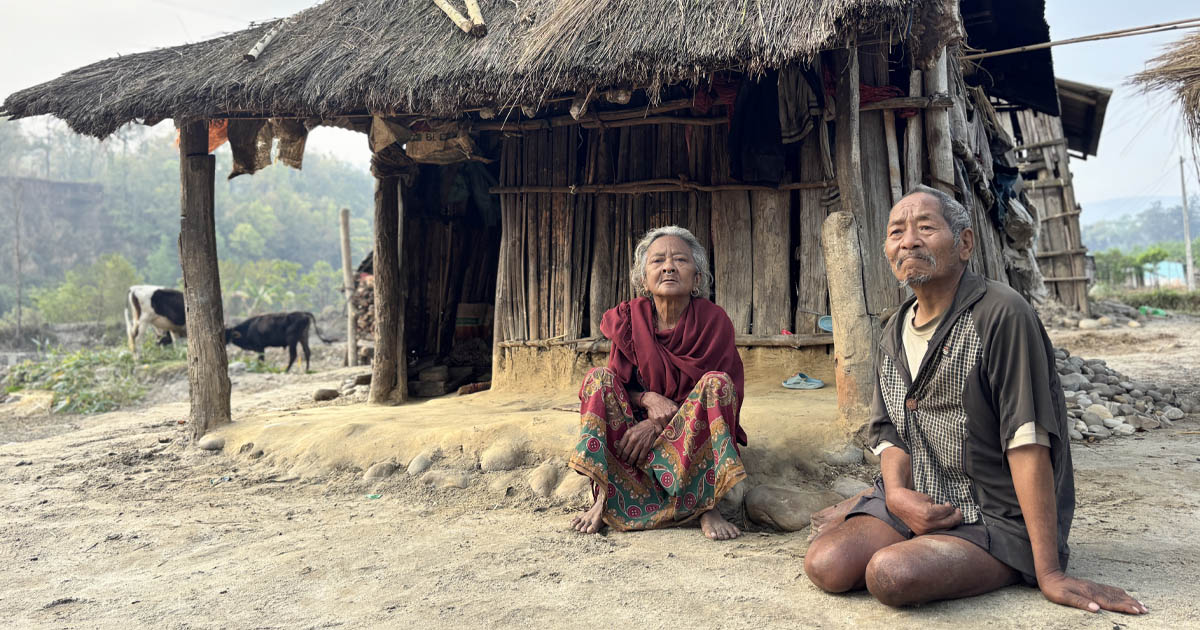
Forgotten: The Roshi Flood Survivors Still Without Homes
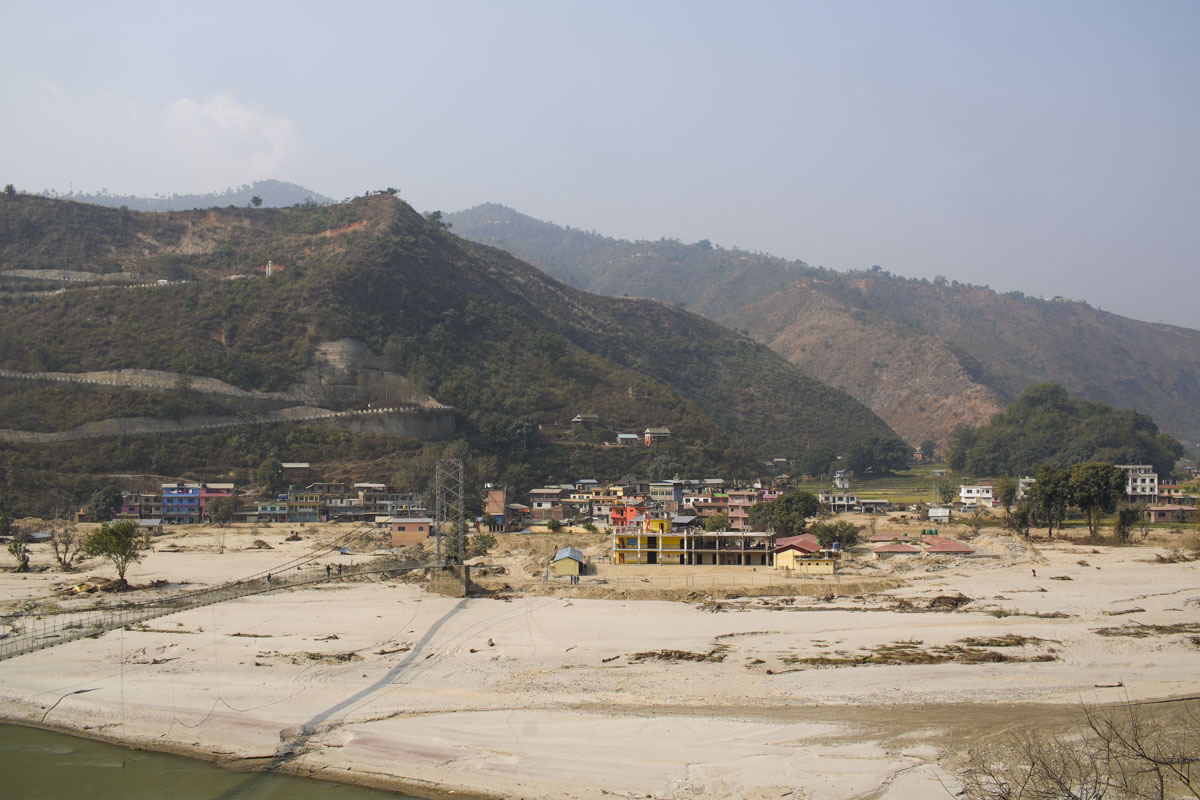
Jeevan and Chyangba Rani lament that they are still forced to live in huts because they have yet to receive the reconstruction funds promised by the government. They are not alone. According to the National Reconstruction Authority, there are 2,589 households across 33 districts waiting for housing grants.
Earthquake Victims Dying in Temporary Shelters
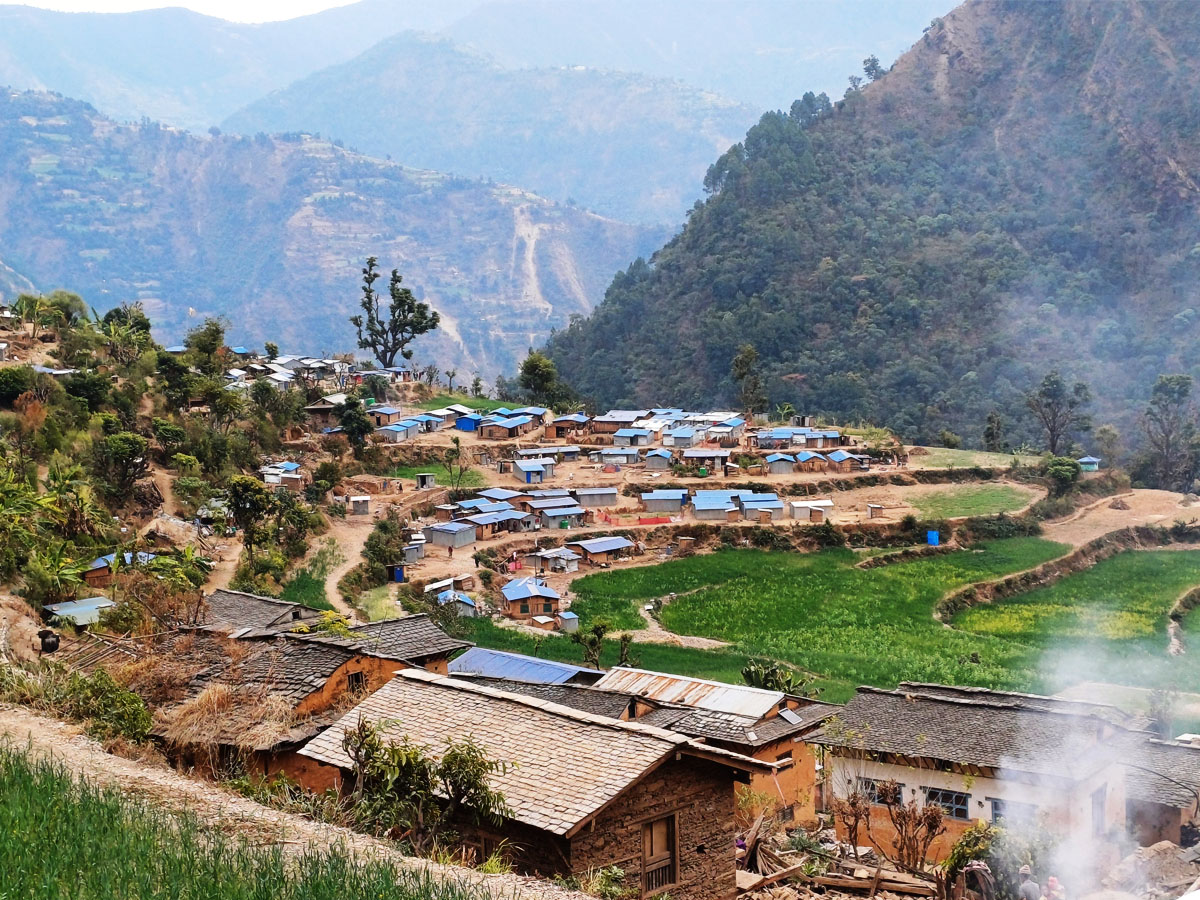
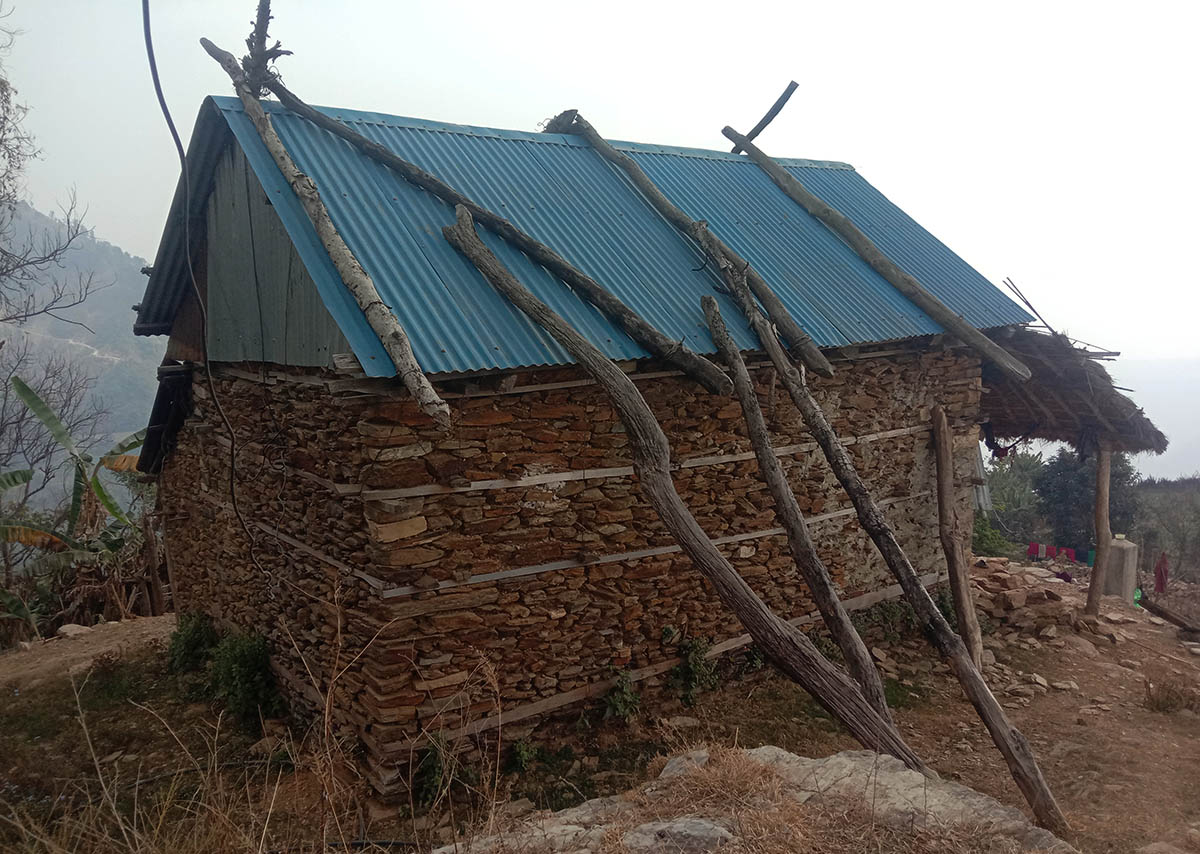
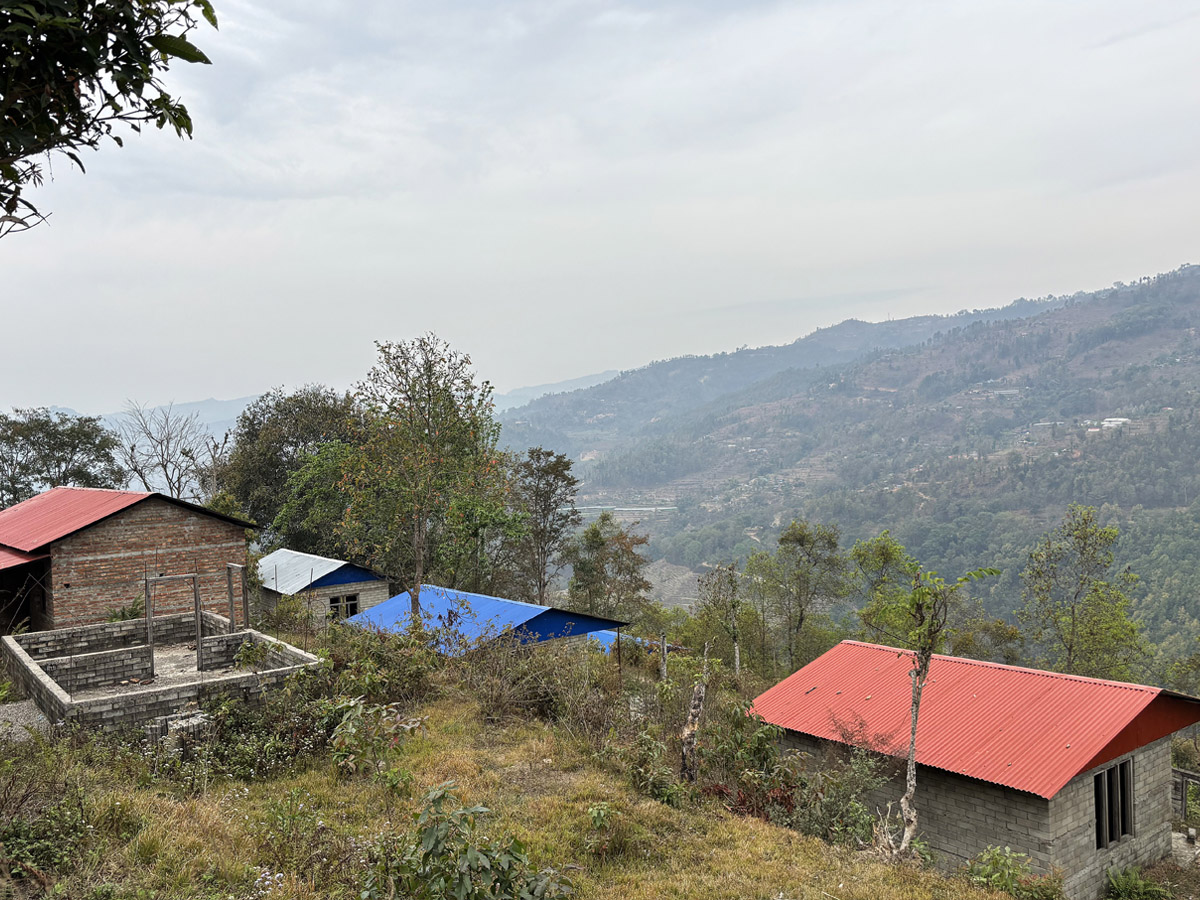
Earthquake victims affected by the 2023 Jajarkot earthquake have not yet received government grants to build their houses. Because of this, they are still living under tarpaulins and tin roofs. Forced to spend winters and monsoons in temporary shelters, new mothers, the elderly, girls, and those with chronic illnesses are dying prematurely.
Cracked ground, broken homes: An alarming case of Tilkechaur in eastern Nepal
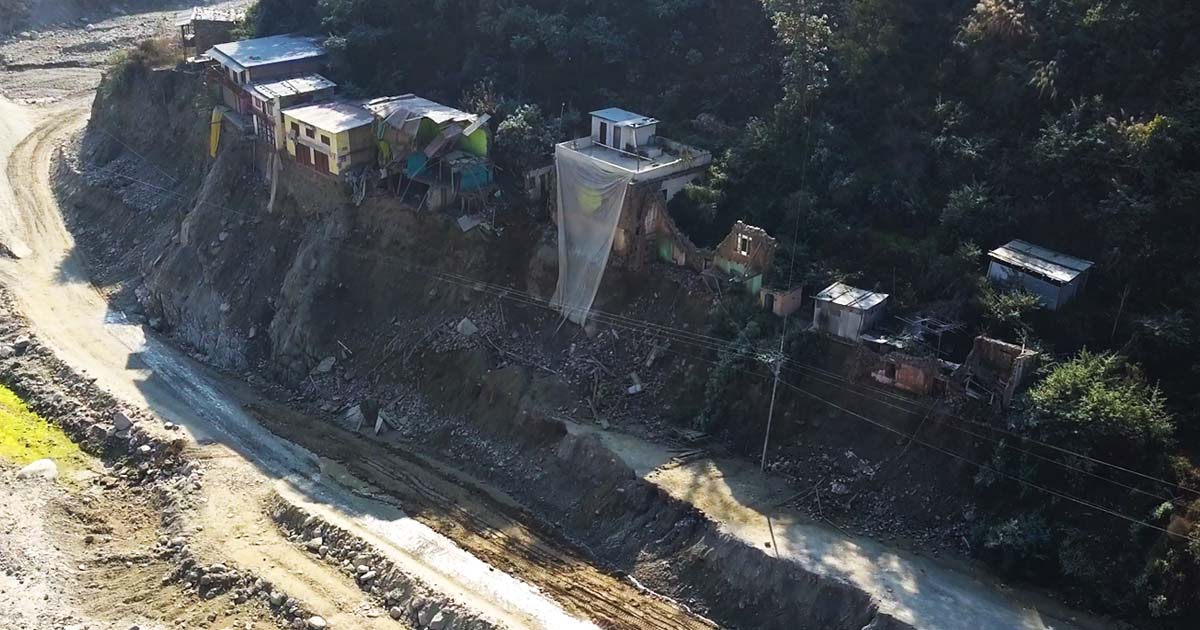
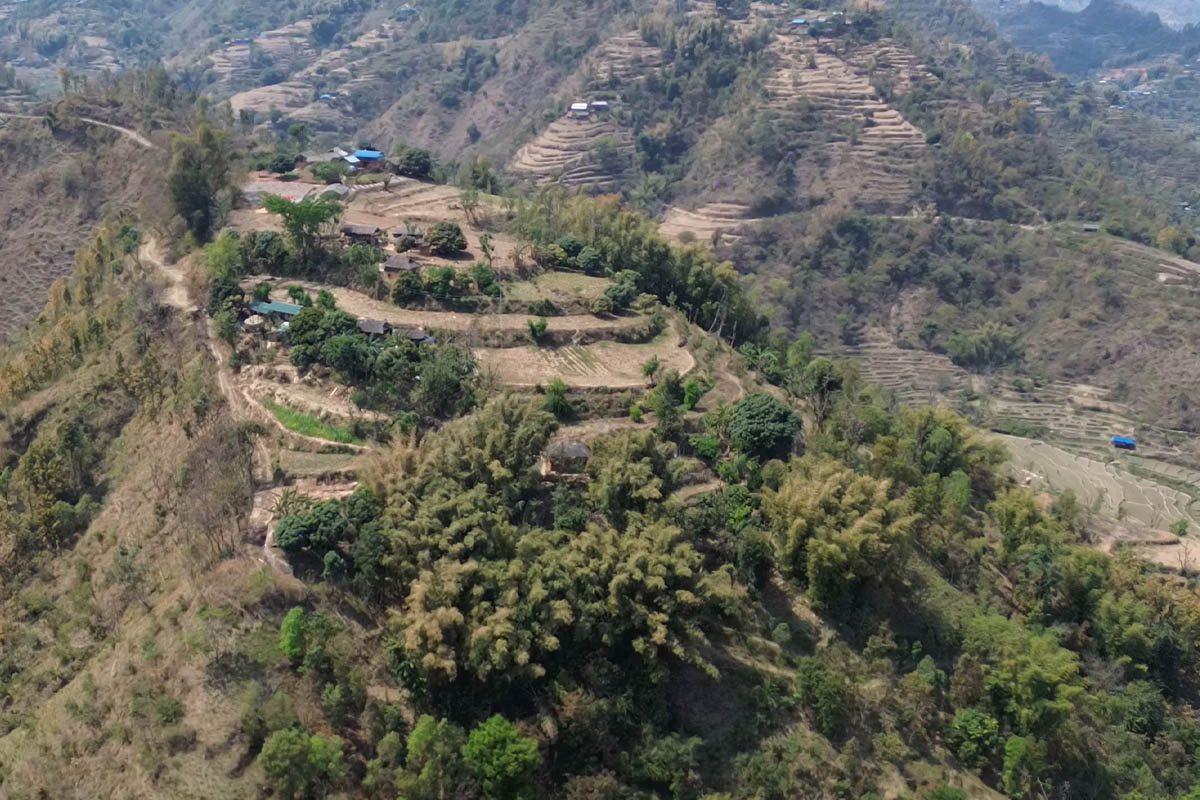
Much of the ground surface in Tilkechaur, a hillock spanning approximately 150 ropanis, has developed cracks. While the government promised aid to those who migrated due to the danger, no one has received financial assistance, nor have any steps been taken to relocate families at risk to a safer place.
Nepal’s earthquake-affected poor have no resilient houses yet, while the state looks on
A decade after the 2015 earthquakes, more than one million houses were damaged. Due to slow progress in reconstruction, the dream of poor, disadvantaged, marginalized communities, and single women to live in resilient houses remains unfulfilled. A total of 92,000 beneficiaries who were affected by the earthquake are still waiting for their third installment.
City in the River: The Havoc of the Flood
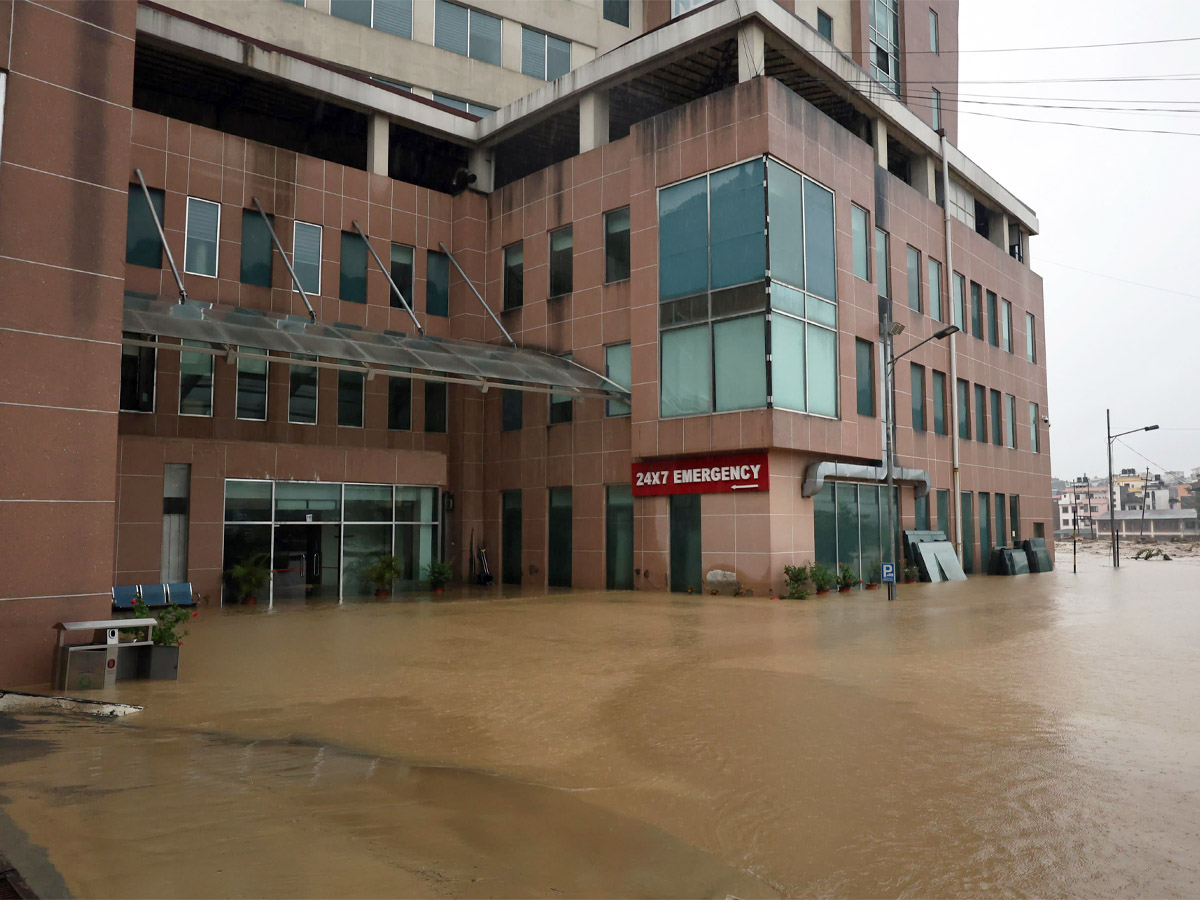
Nepal is experiencing rapid urbanization, and with it, construction of houses and other structures along urban rivers and riverbanks has increased. In some places, buildings have even been constructed by encroaching directly on the riverbed. Walls have been built on both sides of the river, narrowing its natural flow. As a result, natural drainage processes are obstructed, water flow becomes uncontrolled, and floods begin to enter and spread into the city. Settlements along the rivers in Kathmandu Valley experience the effects of this every year, and Medicity faced a similar impact last September.
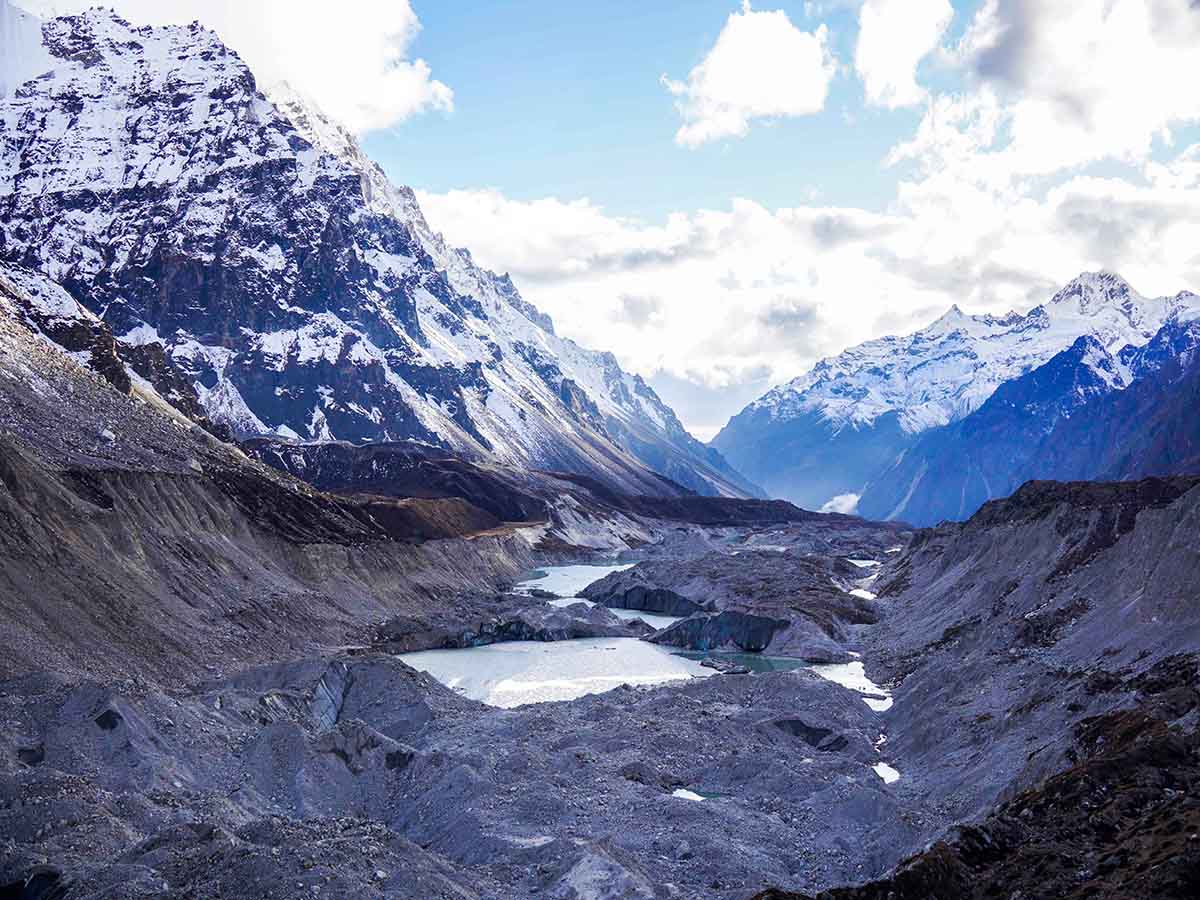
Climate Change Toll on Nepal’s Kanchenjunga: Floods and Landslides Grip the World’s Third Tallest Mountain
The United Nations Intergovernmental Panel on Climate Change in its 2023 Synthesis Report has said that human activities, principally through emissions of greenhouse gases, have caused global warming, with global surface temperature rising.
When Schools Flood, Children with Disabilities Pay the Highest Price
A total of 117 students went to Pashupati Basic School, including 95 regular students and 22 students with disabilities. The 95 regular students were able to start classes again, even if they had to use one classroom for two different classes. But students like Tanka have not been able to return. This makes it hard for students with disabilities to get back to school after the disaster.
Billions Down the Drain: Nepal’s Earthquake Resettlement Efforts Fall Flat
Following the 2015 earthquake, the government, various individuals, and organizations constructed integrated settlements in different locations for the displaced. At that time, those affected by the disaster came to the integrated settlements for shelter, but due to the lack of an environment that could sustain them there, the displaced families are forced to return to their own risky hilly villages. On one hand, the investment of millions of rupees spent on building integrated settlements where no one lives has become like pouring water in sand. On the other hand, the displaced families are forced to return to the risky villages in the hills.
Four Years After Melamchi Flood Disaster: Trauma of the Affected Remains Unhealed
Families who lost relatives in the flood have faced social and practical problems, cultural obstacles, displacement and migration in their daily lives after becoming mentally distraught. All of these are non-economic losses caused by climate change-induced disasters and their aftermath.
Road to Disaster: Lack of Robust Preparedness is Causing Loss of Lives and Infrastructure in Nepal
The disaster at Simaltal occurred due to the lack of adequate preparedness, despite the knowledge of the area's vulnerability to such incidents. The search and rescue operations were delayed as a result.
header.Language