 The Heavy Price of Corruption: Historic Heritage Turned to Ashes
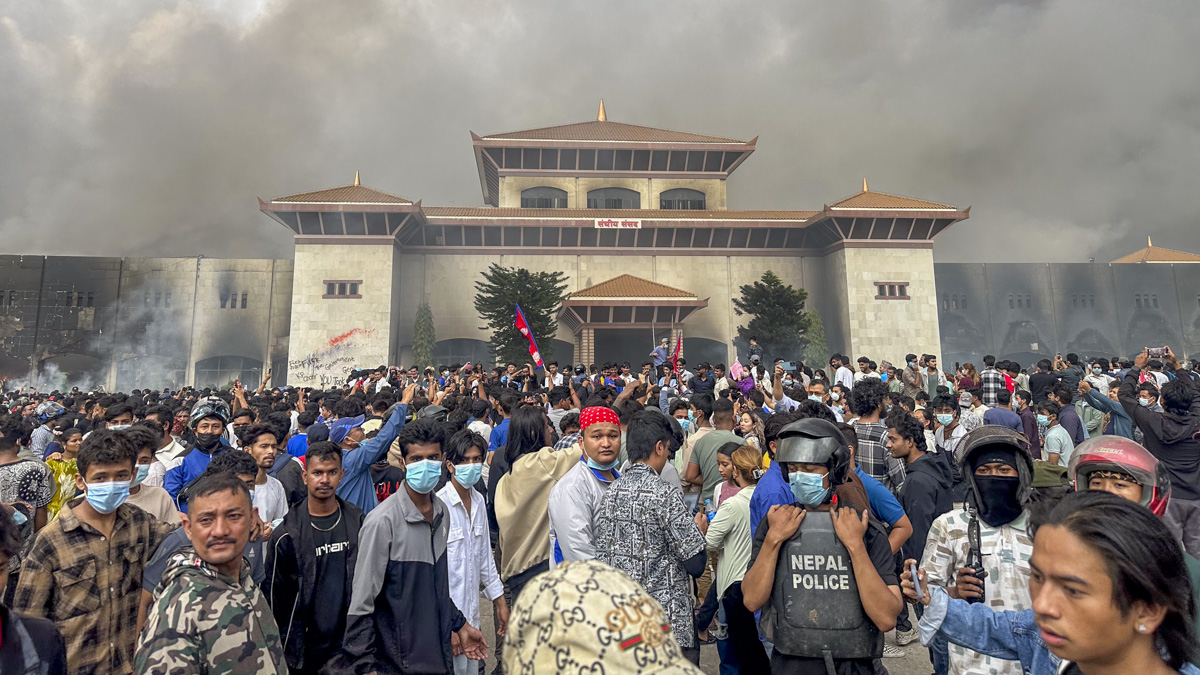
So far, seventy-five people have died, including 62 civilians, three police officers, and 10 inmates, in the anti-government protests called by Gen Z.
This protest resulted in the burning of buildings, including Nepal’s principal administrative center, Singha Durbar, the Supreme Court (the pillar of justice), and both the Federal and Provincial Parliament buildings. Police data indicate that damage was caused to 452 police offices, 1,254 government offices, 458 private and commercial buildings, and 259 offices of political parties nationwide. Demonstrators also vandalized and set fire to media house offices, the residences of leaders affiliated with political parties, and international-standard hotels.
 Gulf States Fail to Protect Female Domestic Workers Despite Reform Pledges
On April 2, 2017, the International Relations and Labor Committee of Nepal's then legislative parliament had instructed the government to refrain from sending workers to specific destination countries until clear laws concerning domestic helpers were established and a labor agreement was in place with Nepal. Subsequently, the government ceased sending women to the Gulf Cooperation Council (GCC) nations – Saudi Arabia, Kuwait, the United Arab Emirates, Qatar, Bahrain, and Oman. Nevertheless, women did not cease their pursuit of employment abroad; instead, they altered their travel routes.
 Justice Elusive for Survivors of Rape and Violence in Remote Dolpa
The National Penal Code (2017) has provisions stating that after the commission of an offense related to rape, no one should, by any means of fear, intimidation, threat, or coercion, with or without any exchange of goods or money, persuade the victim or the victim's family to refrain from filing a complaint, lodging a report, or appearing in court. Furthermore, it prohibits arranging or pressuring for or influencing any reconciliation or settlement between the perpetrator and the victim or a member of the victim's family.